
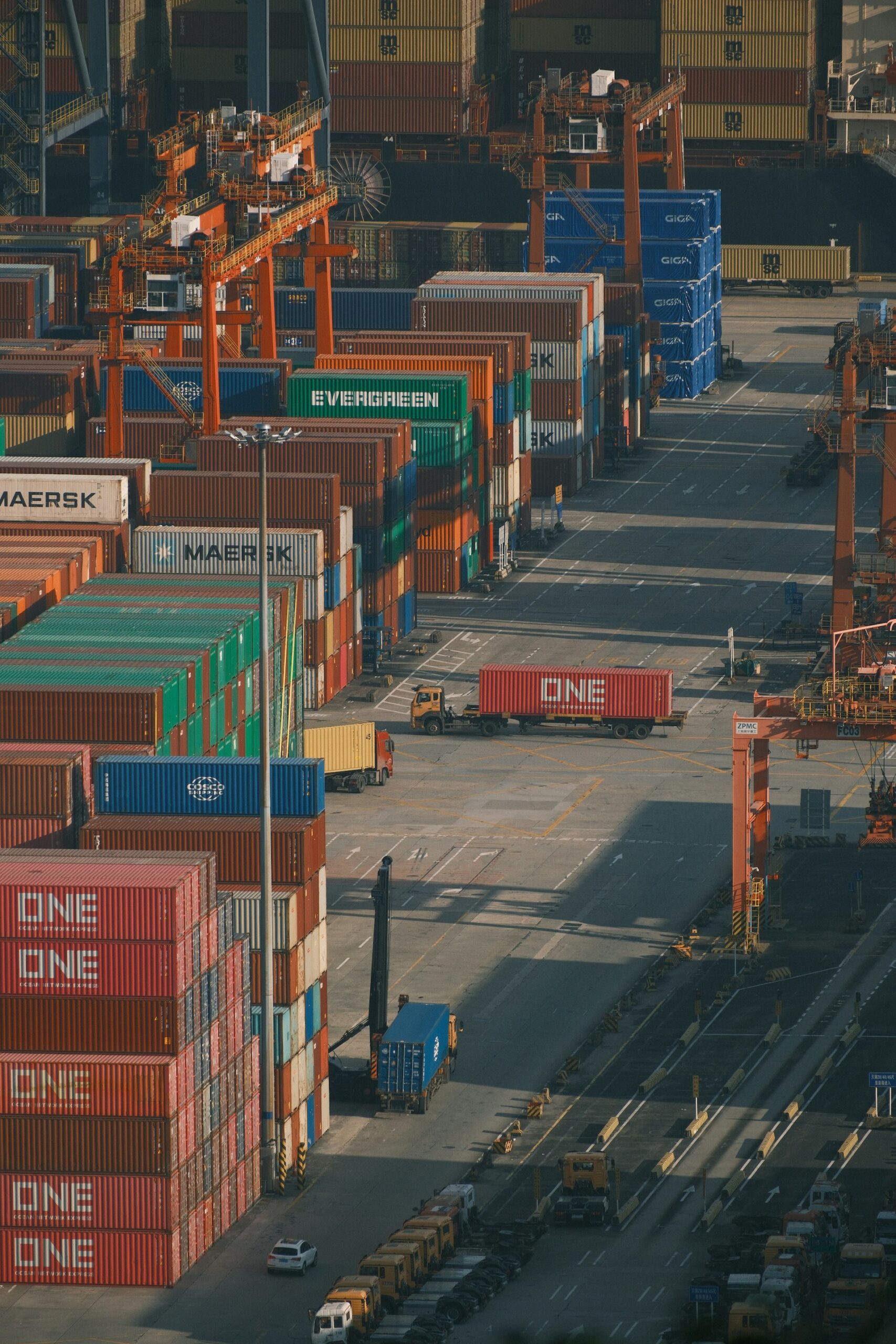
Few contract clauses cause as many disputes in pharmaceutical trade as a three-letter shipping term. When a pallet of medicines is damaged, delayed at customs or left sitting on a hot apron, the first question is always the same: whose responsibility is it? Incoterms exist to answer that question before the shipment leaves the factory.
For importers, distributors and hospital procurement teams, choosing the right term affects cost, control over temperature-sensitive goods and the paperwork needed at the border. This guide explains how Incoterms work, which ones are most common in pharma, and how to pick one with confidence.
What Are Incoterms?
Incoterms are standard trade terms published by the International Chamber of Commerce. They set out, in a short code, who arranges and pays for transport, who handles export and import clearance, and the point at which the risk of loss or damage passes from seller to buyer.
The current edition is Incoterms 2020, which contains eleven rules, and the US International Trade Administration gives a clear overview of Incoterms rules for exporters. Parties can agree to use an earlier version, but the version must be named in the contract and on the export documents.
It helps to be clear about what Incoterms do not cover. They do not set the price, the payment terms, the moment ownership transfers or how disputes are resolved. Those points belong in the sales contract. Incoterms deal with delivery, costs and risk, and nothing else.
Why Incoterms Matter More for Medicines
Medicines are regulated, high-value and often sensitive to heat, humidity and delay. A carton of tablets left too long at a port can lose its storage conditions without any visible sign. Choosing a term therefore decides not only who pays freight but also who controls storage and handling at each stage of the journey, which links directly to the points covered in our guide to cold chain logistics.
Import rules add another layer. In many countries only a licensed importer may clear prescription medicines, so a term that makes the seller responsible for import clearance may simply not work. Always check who is legally allowed to act as importer of record before agreeing a term.
The Eleven Incoterms 2020 at a Glance
Seven rules can be used for any mode of transport, and four are reserved for sea and inland waterway transport. Pharmaceutical consignments move mostly by air and by container, so the first group is the most relevant.
| Term | Meaning | Risk passes to buyer | Mode |
|---|---|---|---|
| EXW | Ex Works | At the seller’s premises, goods made available | Any |
| FCA | Free Carrier | When handed to the buyer’s carrier at the named place | Any |
| CPT | Carriage Paid To | When handed to the first carrier | Any |
| CIP | Carriage and Insurance Paid To | When handed to the first carrier | Any |
| DAP | Delivered at Place | At the named destination, ready for unloading | Any |
| DPU | Delivered at Place Unloaded | After unloading at the named destination | Any |
| DDP | Delivered Duty Paid | At the destination, with import clearance done by the seller | Any |
| FAS / FOB / CFR / CIF | Free Alongside Ship, Free on Board, Cost and Freight, Cost Insurance and Freight | Alongside or on board the vessel (CFR and CIF: on board at the port of loading) | Sea and inland waterway only |
Incoterms Most Used in Pharma Shipments
EXW and FCA: Buyer Controls the Journey
Under EXW the buyer collects the goods at the seller’s premises and takes on almost every task, including export clearance. Many experienced buyers prefer FCA instead, because the seller clears the goods for export and hands them over to the buyer’s nominated carrier. FCA is often the better fit for medicines because the buyer can appoint a forwarder who understands pharmaceutical handling.
CPT and CIP: Seller Arranges Carriage
With CPT and CIP the seller books and pays for transport to a named destination, but risk still passes to the buyer once the goods are handed to the first carrier. CIP adds an insurance obligation, and under Incoterms 2020 it requires a higher level of cover than CIF. For high-value or temperature-sensitive medicines, buyers should still check that the policy covers their specific product risks.
CIF and FOB: Sea Freight Terms
FOB and CIF are widely used for container shipments by sea. Risk passes once the goods are on board the vessel at the port of loading. Because the shipping line, not the seller, controls the container for the rest of the voyage, buyers of sensitive products should ask about temperature-controlled containers and monitoring before choosing a sea term.
DAP and DDP: Seller Delivers to Destination
Under DAP the seller bears the cost and risk until the goods arrive at the named place, but the buyer clears them through import customs. DDP goes further, with the seller handling import clearance and duties. DDP is rarely practical for prescription medicines, since the importer of record usually needs to hold a local licence and registration.
How to Choose the Right Term
There is no single best Incoterm. The right choice depends on who has the experience, the licences and the supply chain relationships to manage each leg of the journey. A few questions help narrow it down:
- Who holds the import licence and can act as importer of record in the destination country?
- Does the product need temperature control, and who can monitor and document it?
- Which party has the better freight rates and a reliable pharma-experienced forwarder?
- Is the buyer able to insure the cargo, or should the seller arrange it?
- How will payment terms line up with the point where risk transfers?
Whatever you choose, name the exact place and the Incoterms version, for example “FCA Mumbai airport, Incoterms 2020”. A vague entry such as “FOB India” leaves room for argument. Make sure the commercial invoice, packing list and other export documents repeat the same term and place, because customs officers compare them.
Packaging, Insurance and Documentation
An Incoterm tells you who is responsible, not how well the goods are protected. Sound drug packaging still matters, because shipments are lifted, stacked and transferred several times. Agree the packing specification, labelling and any temperature requirements in writing, and keep photographs of the loaded consignment.
Insurance deserves a separate decision even when the term does not require it. Check what the policy covers, including delay, temperature excursion and theft, and who the named beneficiary is. Keep the batch records, packing lists and carrier documents together so that any claim can be supported quickly.
Documentation is the other half of the picture. Importing countries typically expect certificates, product registration details and permits that match the goods, and our overview of regulatory services explains how these requirements fit together. Different markets have different rules, so requirements in one region may not apply in another, as shown on our global presence page.
Common Mistakes to Avoid
- Using a sea-only term such as FOB or CIF for air freight, which the rules do not intend
- Agreeing DDP without checking whether the seller can legally import the product
- Leaving out the named place of delivery or the Incoterms version
- Assuming the term decides when ownership or payment is due
- Ignoring storage conditions during waiting time at airports and ports
Treat the term as one part of the wider pharma supply chain. If your freight forwarder, insurer and importer all work from the same understanding of the term, most problems are caught before the goods move.
Buyers who want to understand how shipments are arranged in practice can review MedsExporter’s export services and ask about the terms available for their destination. Prescription medicines are supplied only to licensed buyers and in line with the laws of both countries.
FAQs
Which Incoterm is best for pharmaceutical exports?
There is no universal answer. FCA, CIP and DAP are common for medicines because they allow control over carrier choice, insurance or delivery. The best term depends on who can manage transport, licences and temperature control most reliably.
Do Incoterms cover payment terms?
No. Incoterms cover delivery, costs and the transfer of risk. Payment method, timing and the transfer of ownership must be written into the sales contract separately.
Can I use FOB or CIF for air shipments?
These terms are designed for sea and inland waterway transport. For air freight, terms such as FCA, CPT or CIP are the correct choice.
Is DDP suitable for prescription medicines?
Often not. DDP makes the seller responsible for import clearance, but many countries require a locally licensed importer for prescription products, so DAP or an FCA-based arrangement is usually more workable.
Conclusion
Incoterms are short, but they decide who pays, who carries the risk and who must have the right licences at each step. Choose the term that matches your capabilities, name the place and version precisely, and make sure packaging, insurance and documents tell the same story. To discuss shipping terms for your requirements, contact the MedsExporter team at [email protected].