
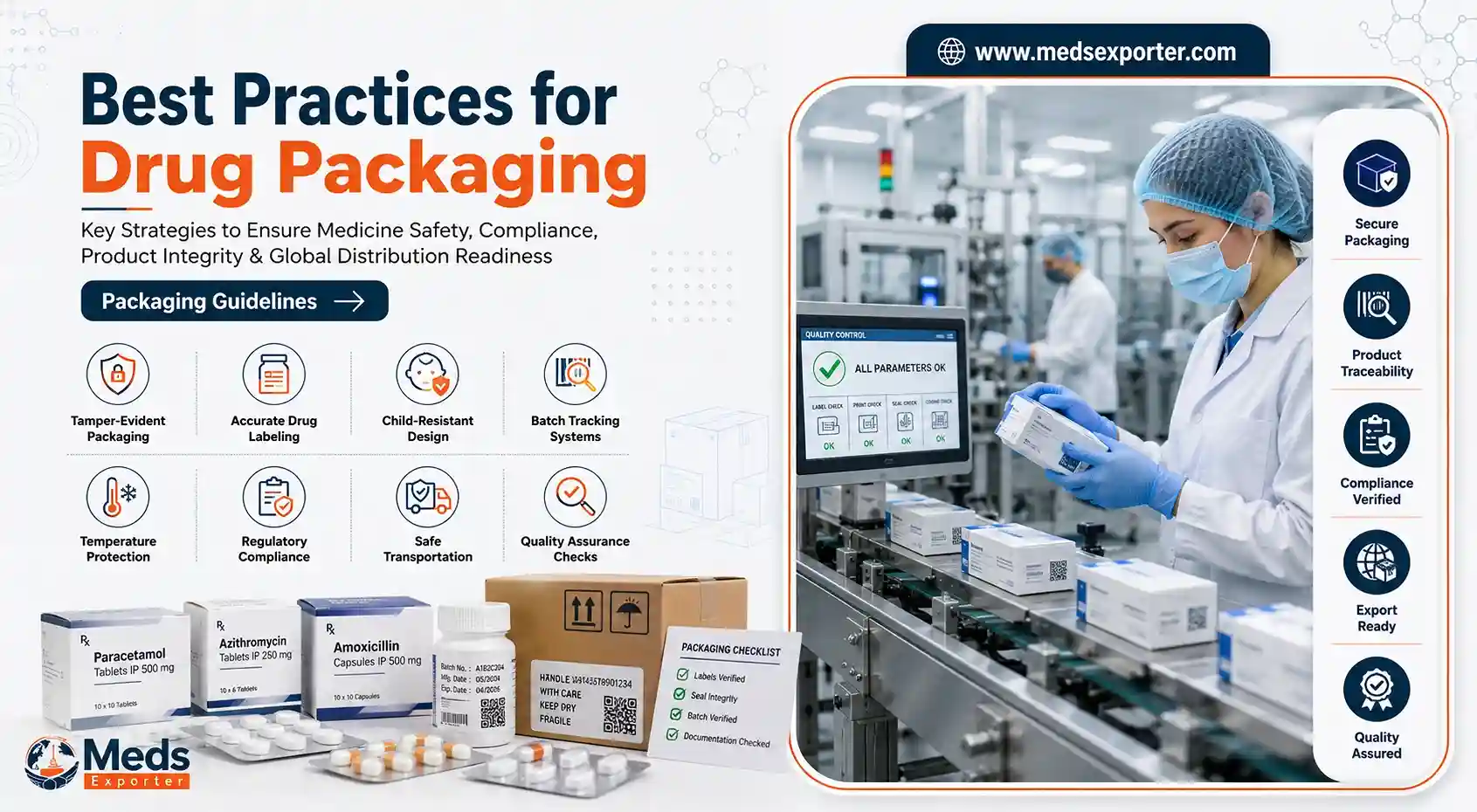
Drug packaging plays a crucial role in the pharmaceutical industry, not only protecting the medication but also ensuring patient safety, regulatory compliance, and product integrity. Adhering to drug packaging standards is essential for manufacturers to deliver safe and effective products to consumers. This article explores the best practices for drug packaging, emphasizing vital standards and guidelines that help maintain quality and trust in pharmaceutical products.
Understanding Drug Packaging Standards
Drug packaging standards refer to the established guidelines and regulations that govern the design, materials, labeling, and quality assurance processes related to pharmaceutical packaging. These standards ensure that drugs are safely enclosed, protected from contamination, and correctly identified for consumers and healthcare professionals.
Major organizations such as the U.S. Food and Drug Administration (FDA), European Medicines Agency (EMA), and International Organization for Standardization (ISO) provide directives that manufacturers must comply with. Following these drug packaging standards mitigates risks associated with drug degradation, counterfeit products, and medication errors.
Best Practices for Drug Packaging
1. Choose Appropriate Packaging Materials
The selection of packaging materials should be driven by the drug’s physical and chemical properties. Materials must provide adequate protection against moisture, light, oxygen, and contamination.
- Primary Packaging: This directly contacts the drug product, such as blister packs, bottles, and tubes. It must be inert and compatible with the drug.
- Secondary Packaging: Includes cartons and boxes that offer additional protection and space for labeling and branding.
- Tertiary Packaging: Used for transportation and bulk handling, ensuring the product remains intact during distribution.
2. Ensure Compliance with Regulatory Requirements
Manufacturers must stay updated on regulations and guidelines mandated by authorities like the FDA, EMA, and WHO. This includes proper labeling, serialization for tracking, tamper-evident features, and child-resistant packaging where applicable.
3. Implement Tamper-Evident and Child-Resistant Features
Safety is paramount in drug packaging. Tamper-evident seals or features prevent unauthorized access, ensuring product integrity. Child-resistant closures help prevent accidental ingestion by children, an essential requirement for many prescription and over-the-counter medications.
4. Optimize Labeling for Clarity and Compliance
Labels must contain essential information such as drug name, dosage, expiration date, storage conditions, manufacturer details, and usage instructions. Clear, legible, and accurate labels reduce medication errors and enhance patient safety.
5. Incorporate Serialization and Anti-Counterfeiting Measures
The pharmaceutical industry faces challenges from counterfeit drugs. Serialization, unique barcodes, holograms, and QR codes allow tracking and authentication throughout the supply chain, protecting consumers and brands.
6. Maintain Packaging Integrity During Storage and Transport
Drugs must be packaged to withstand environmental factors such as temperature fluctuations, humidity, and mechanical stress during transportation and storage. Proper testing and validation ensure packaging durability and drug stability.
7. Adopt Sustainable Packaging Solutions
With increasing environmental awareness, sustainable packaging that reduces waste and uses recyclable or biodegradable materials is gaining importance. This approach meets market demands without compromising safety or quality.
Key Benefits of Adhering to Drug Packaging Standards
- Patient Safety: Prevents contamination and medication errors through secure and clear packaging.
- Regulatory Compliance: Ensures products meet legal requirements, avoiding penalties and recalls.
- Product Integrity: Maintains the drug’s efficacy by protecting against environmental factors.
- Brand Protection: Deters counterfeiting and unauthorized tampering, preserving brand reputation.
- Supply Chain Efficiency: Serialization and tracking improve inventory management and recall processes.
Emerging Trends in Drug Packaging
Smart Packaging
Smart packaging integrates technology such as sensors and indicators that monitor the condition of the drug, providing real-time information about temperature, humidity, or tampering.
Personalized Packaging
With advances in digital printing and manufacturing, personalized packaging tailored to individual patient needs is becoming more feasible, enhancing treatment adherence.
Eco-Friendly Innovations
New biodegradable and recyclable materials are being developed to reduce the environmental footprint of pharmaceutical packaging while maintaining functionality and compliance.
Conclusion
Ensuring compliance with drug packaging standards is critical for the safety, efficacy, and market success of pharmaceutical products. By following best practices such as selecting appropriate materials, incorporating safety features, optimizing labeling, and adopting innovative technologies, manufacturers can protect patients and strengthen their brands. Staying informed about regulatory updates and industry trends is essential to maintaining high-quality drug packaging and meeting evolving market demands.
FAQs
What are drug packaging standards?
Drug packaging standards are guidelines and regulations that dictate how pharmaceutical products should be packaged to ensure safety, quality, and compliance with legal requirements.
Why is tamper-evident packaging important?
Tamper-evident packaging ensures that any unauthorized access or interference with the drug product is clearly visible, protecting consumers from compromised medications.
What materials are commonly used in drug packaging?
Common materials include plastics, glass, aluminum, and paperboard. The choice depends on the drug’s properties and required protection level.
How do serialization and anti-counterfeiting measures enhance drug safety?
Serialization assigns unique codes to each drug package, enabling tracking and verification, which helps prevent counterfeit products from entering the supply chain.
Are there sustainable options for drug packaging?
Yes, many companies are adopting recyclable, biodegradable, and eco-friendly materials to reduce environmental impact without compromising product safety.