
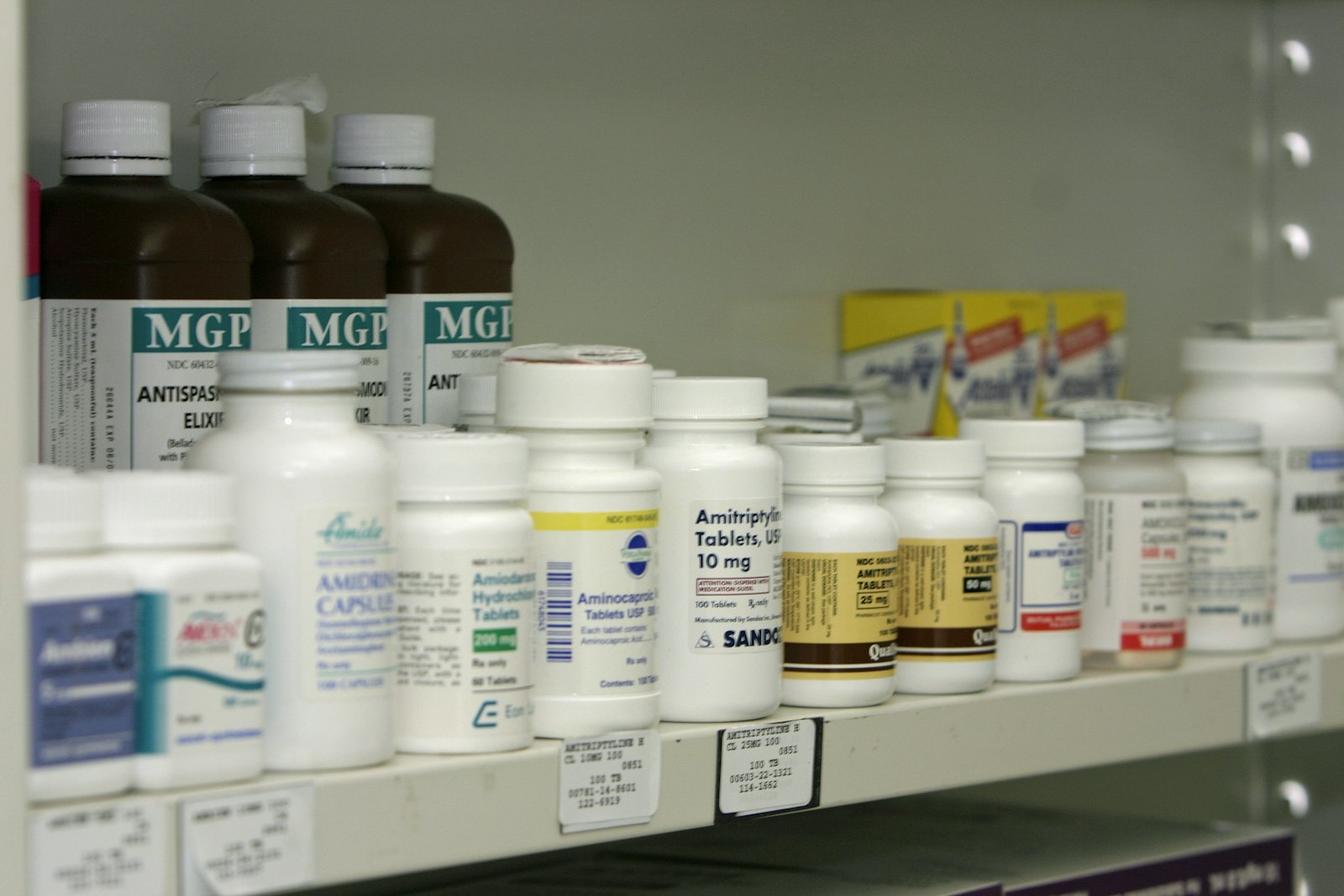
Shipping medicines across a border is nothing like shipping ordinary goods. Before a single carton leaves the factory, the importing country expects the product to be registered, the importer to be licensed and the paperwork to match. Miss one of these and the consignment can be held at customs, returned or destroyed.
This guide is written for importers, distributors, hospital procurement teams and tender buyers. It explains the building blocks of medicine import regulations, how product registration works in general terms, and what to confirm with your supplier before placing an order.
Why Every Country Regulates Medicine Imports
Medicines can harm patients if they are poorly made, wrongly labelled, badly stored or counterfeit. National authorities therefore control which products may enter the market, who may bring them in and under what conditions. The aim is simple: only products of proven quality, safety and efficacy should reach pharmacies and hospitals.
The details differ widely. Some countries have a full national regulator with its own dossier requirements, while others rely partly on approvals from reference authorities abroad. Because rules change, always confirm current requirements with the regulator or your licensed local partner, and treat any summary, including this one, as a starting point rather than legal advice.
What Product Registration Means
Product registration, often called marketing authorisation, is the formal approval that allows a specific medicine to be sold in a specific country. The regulator reviews data on quality, safety and efficacy. In the European Union, for example, the EU marketing authorisation system shows how a central review can lead to a licence valid across several countries, while many other markets register products one country at a time.
Registration is tied to the product, not just the manufacturer. A change of manufacturing site, strength, pack size or formulation may need a variation or a new application. Buyers should therefore check that the exact product they intend to import is the one that holds the registration.
Core Requirements for Importing Medicines
Although each market is different, most import regimes ask for the same families of requirements. The table below gives a general overview and is not a substitute for the rules of your own country.
| Requirement | What it usually means | Who normally handles it |
|---|---|---|
| Product registration | Regulator approves the specific medicine for sale | Manufacturer or local registration holder |
| Importer licence | Only licensed companies may import and store medicines | Importer or distributor |
| Import permit | Shipment-level approval, often required for controlled or special products | Importer |
| Manufacturing standards evidence | GMP certificates and site details supporting the dossier | Manufacturer |
| Batch documents | Certificate of analysis and batch records for each lot | Manufacturer |
| Labelling and packaging compliance | Local language, approved text and required symbols | Manufacturer with local input |
Importer Licensing
In most markets, prescription medicines can only be imported by a company holding a pharmaceutical import or wholesale licence, with suitable premises and a responsible pharmacist or qualified person. Medicines are supplied only to licensed buyers who are legally permitted to receive them in their own country.
Import Permits and Controlled Products
Some categories need a permit for every consignment. These commonly include narcotic and psychotropic substances, certain biologicals and products under special schemes. Permit processing times vary, so build them into your order timeline rather than treating them as an afterthought.
Quality Evidence
Regulators want assurance that a product is made under controlled conditions. Evidence such as GMP certification and a manufacturing licence is usually part of the dossier, so it helps to work with a facility that can show an audited quality system, for example a WHO-GMP manufacturer. Always ask to see current certificates rather than relying on a logo.
Documents Buyers Should Expect
A complete shipment normally travels with a commercial invoice, packing list, certificate of analysis for each batch, and the transport documents. Depending on the destination, you may also need a certificate of pharmaceutical product, a free sale certificate or a legalised copy of a licence. Our overview of export documentation explains how these papers fit together.
Consistency matters as much as completeness. Product names, strengths, batch numbers, quantities and the agreed shipping term must match across every document, as covered in our guide to Incoterms for pharma. Small mismatches are one of the most common reasons for customs queries.
A Step-by-Step Approach Before You Order
- Check with the national regulator whether the product is already registered, or whether a registration application is needed.
- Confirm that your company holds the right importer licence and that its scope covers the product category.
- Ask the supplier for the dossier, certificates and sample labelling in the format your regulator accepts.
- Apply for any import permit well before the planned dispatch date.
- Agree shipping terms, storage conditions and the document list in the purchase contract.
- Verify the supplier’s own credentials, as described in our guide to verifying a supplier.
Common Mistakes That Cause Delays
- Ordering a product whose registration covers a different strength, pack or manufacturing site
- Assuming that approval in one country is automatically accepted in another
- Starting permit applications after the goods have shipped
- Receiving packs with labels that do not meet local language or content rules
- Using an importer who lacks a licence for the product category
Requirements also vary by region, so it is worth reviewing the markets we supply on our global presence page and discussing your own country’s rules with a team that handles regulatory files every day. MedsExporter’s regulatory services and export team can explain which documents are typically requested for your destination.
FAQs
Does a medicine need to be registered before it can be imported?
In most countries, yes. A product generally needs marketing authorisation before commercial import, although some systems allow named-patient, hospital or emergency imports under special permits. Check the rules with your national regulator.
Who is responsible for product registration, the buyer or the manufacturer?
It depends on the country. Often the manufacturer supplies the dossier while a local company acts as registration holder. Agree these roles in writing before work begins.
How long does registration usually take?
Timelines vary from several months to more than a year depending on the regulator, the product type and the completeness of the dossier. Ask the authority for its current review times.
Can individuals import prescription medicines?
MedsExporter supplies licensed businesses only, such as importers, distributors and hospitals. Prescription medicines are not supplied to private consumers, and each shipment must comply with the laws of both the exporting and importing countries.
Conclusion
Successful imports begin with preparation: a registered product, a licensed importer, matching documents and permits obtained in time. Spend effort on these basics early and customs clearance becomes far more predictable. To discuss your market and the documents you need, contact the MedsExporter team at [email protected].