
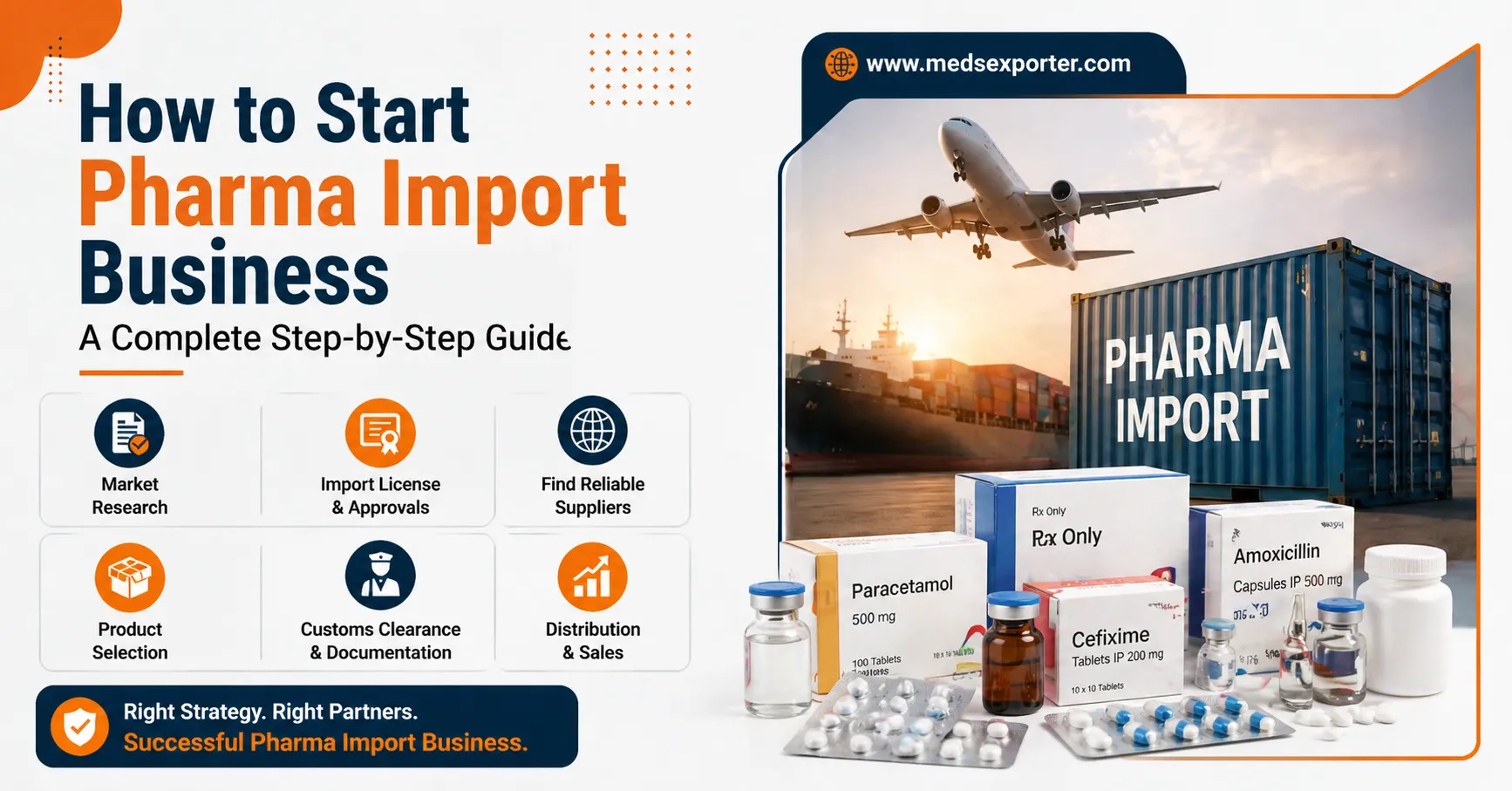
The pharma import business is a lucrative and essential sector in the pharmaceutical industry. Importing pharmaceutical products caters to the growing demand for quality medicines and healthcare products worldwide. Starting this business requires a clear understanding of regulations, market demand, and effective sourcing strategies. This guide will take you through the necessary steps to launch your own pharma import company successfully.
Understanding the Pharma Import Business
The pharma import business involves purchasing pharmaceutical products from manufacturers or suppliers in foreign countries and selling them domestically. These products can include medicines, medical devices, raw materials for drug manufacturing, and healthcare equipment. Due to the sensitive nature of the products, stringent regulations and quality control measures must be strictly adhered to.
Why Start a Pharma Import Business?
- High demand: Increasing healthcare awareness drives demand for imported innovative and quality medicines.
- Growth potential: The expanding pharmaceutical market globally offers growth opportunities.
- Profit margins: Pharmaceutical products often offer attractive profit margins.
- Diverse product range: Opportunity to import various types of drugs and health products.
Steps to Start a Pharma Import Business
1. Conduct Market Research
Before entering the pharma import business, thorough market research is essential. Identify the demand for specific pharmaceutical products in your target market by analyzing competitors, customer needs, and prevailing industry trends.
- Study the types of medicines imported and most in demand.
- Understand pricing and profit margins.
- Analyze regulations affecting import and sale.
2. Understand Legal and Regulatory Requirements
Importing pharmaceutical products requires compliance with strict government and health authority regulations. Familiarize yourself with the laws in your country related to drug import, licensing, and quality control.
- Obtain an import license or drug import registration from the relevant regulatory body (e.g., FDA, CDSCO).
- Ensure compliance with Good Distribution Practices (GDP).
- Check documentation requirements such as Drug Master File (DMF), Certificates of Analysis (COA), and import permits.
3. Register Your Business Properly
To legally operate, register your import business as per your country’s corporate regulations.
- Choose a suitable business structure: sole proprietorship, partnership, or company.
- Obtain a tax identification number and other relevant registrations.
- Register with customs authorities for import purposes.
4. Find Reliable Suppliers and Manufacturers
Your business depends heavily on sourcing quality pharmaceutical products. Identify reputable international manufacturers or suppliers who comply with international quality standards such as GMP.
- Attend pharmaceutical trade shows and exhibitions.
- Use online B2B marketplaces and industry directories.
- Request samples and verify quality certifications.
5. Arrange Logistics and Supply Chain
Pharmaceutical products often need special handling and transportation. Plan logistics considering temperature control, safe packaging, and timely delivery.
- Choose experienced freight forwarders and customs brokers.
- Understand customs clearance procedures.
- Ensure compliance with import/export documentation and standards.
6. Pricing and Marketing Strategies
Set competitive prices considering import costs, taxes, and market demand. Develop marketing strategies to reach wholesalers, pharmacies, hospitals, and clinics.
- Create a strong online presence through a professional website and social media.
- Use direct sales and pharma distributors.
- Participate in pharmaceutical fairs and healthcare events.
7. Establish Quality Assurance Processes
Since pharma products impact health, maintaining high quality is mandatory.
- Develop product testing and verification processes.
- Keep documentation for traceability.
- Train staff on compliance and handling procedures.
Challenges in Pharma Import Business
- Regulatory compliance: Adhering to local and international regulations is complex.
- Quality control: Ensuring product authenticity and safety.
- Logistics management: Handling sensitive products requires expertise.
- Competition: Established players can dominate the market.
Tips for Success in Pharma Import Business
- Maintain good relationships with both suppliers and customers.
- Stay updated with regulation changes and new product approvals.
- Invest in staff training for compliance and quality management.
- Diversify product portfolio to reduce risks.
- Leverage technology for inventory and order management.
Read More:- How to Import Generic Medicines in Bulk
FAQs
Q1: What licenses are required to start a pharma import business?
You typically need an import license specifically for pharmaceutical products, issued by your country’s drug regulatory authority, along with business registration and customs clearance approvals.
Q2: How can I ensure the quality of imported pharmaceutical products?
Source from certified and reputable manufacturers, verify quality certifications, request samples, perform quality inspections upon arrival, and comply with Good Distribution Practices (GDP).
Q3: Is it necessary to have a pharmacist or expert in the team?
Yes, having a qualified pharmacist or pharmaceutical expert helps ensure compliance with regulations, quality assurance, and better business handling.
Q4: Can I import generic medicines?
Yes, generic medicines can be imported, provided they meet the quality and regulatory standards of your country.
Q5: What logistics considerations are important in pharma import business?
Temperature control, safe packaging, timely shipment, and proper documentation are critical for pharmaceutical imports.