
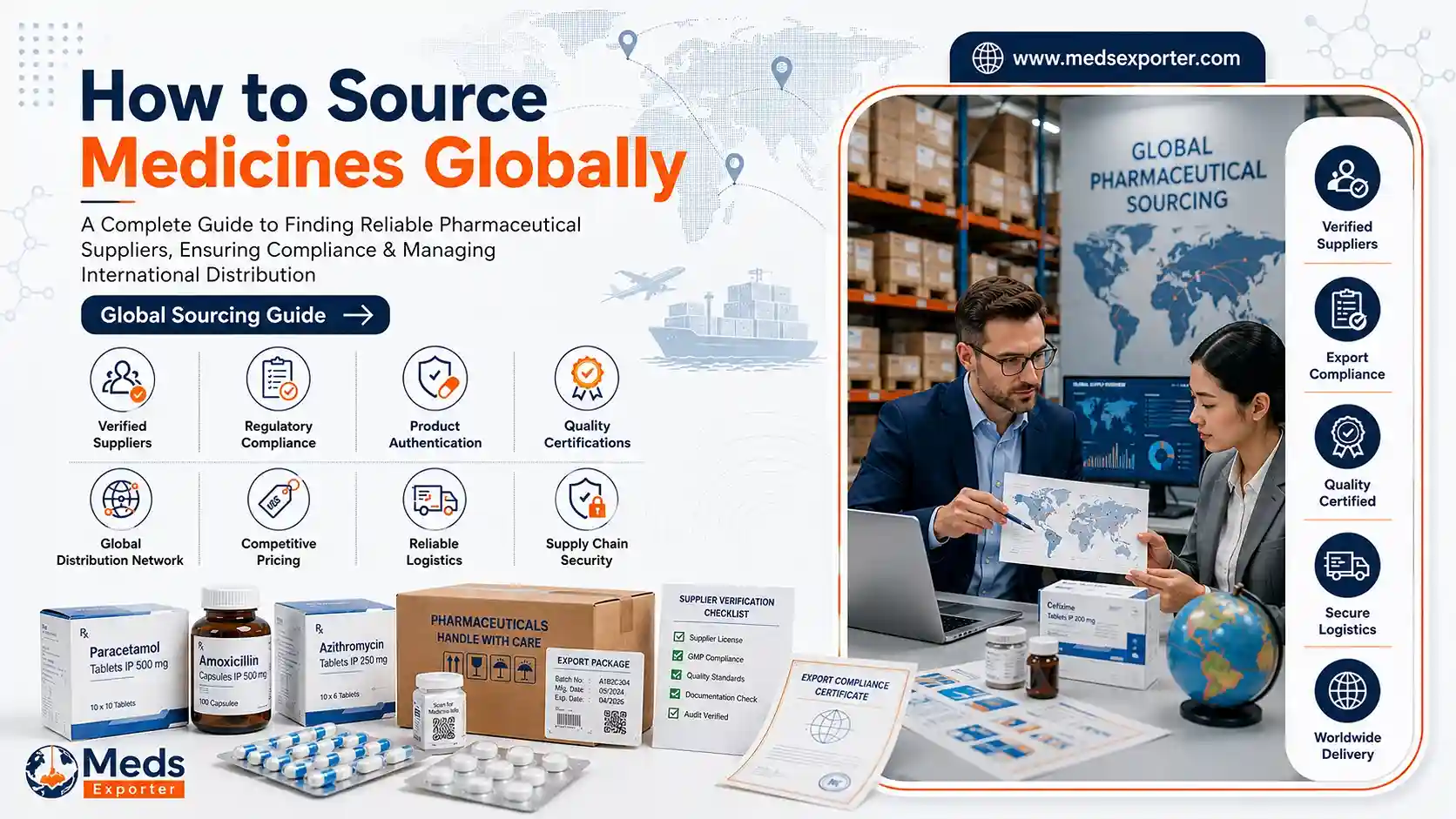
Sourcing medicines globally has become a critical component for pharmaceutical companies, healthcare providers, and distributors aiming to access high-quality pharmaceuticals at competitive prices. The process, known as global pharma sourcing, involves procuring drugs and medical supplies from international markets while ensuring compliance with regulations, maintaining quality standards, and optimizing costs. In this comprehensive guide, we will explore how to source medicines globally effectively and navigate the challenges involved in the process.
The Importance of Global Pharma Sourcing
With increasing demand for new and affordable medicines, many organizations turn to international suppliers to expand their product portfolio and reduce costs. Global pharma sourcing can improve access to innovative drugs, remedy supply chain shortages, and increase market competitiveness. Furthermore, pharmaceutical companies can leverage global sourcing to diversify their supply chain, reduce dependency on single-country production, and navigate geopolitical or economic uncertainties.
Key Steps in Global Pharma Sourcing
Successfully sourcing medicines from around the world requires a well-structured strategy. Here are the key phases to consider:
- Market Research and Supplier Identification: The first step involves researching potential markets and identifying reliable suppliers that meet the required quality standards and regulatory compliance.
- Compliance and Regulatory Verification: Medicines must comply with both local and international regulatory bodies, such as the FDA, EMA, and WHO. Verify certifications and licenses before procurement.
- Quality Assurance and Validation: Assess the quality control procedures of suppliers, including audits and sampling tests, to ensure product safety and efficacy.
- Contract Negotiation and Risk Management: Clearly define terms of supply, pricing, delivery schedules, and liability issues while establishing risk assessment protocols for supply chain disruptions.
- Logistics and Customs Clearance: Coordinate shipping routes, warehousing, and customs requirements to ensure timely delivery of medicines.
Challenges in Global Pharma Sourcing
While global pharma sourcing offers significant benefits, it also comes with challenges that must be addressed to avoid costly mistakes:
- Regulatory Complexity: Navigating diverse regulatory environments across countries can delay approvals and increase compliance costs.
- Quality Control Risks: Variations in manufacturing standards across different countries may raise product quality concerns.
- Intellectual Property Issues: Protecting patents and proprietary formulations can be complicated in international markets.
- Supply Chain Disruptions: Political instability, customs delays, or transportation issues may affect delivery timelines.
- Cultural and Communication Barriers: Differences in business practices and language can hinder negotiations and coordination.
Best Practices for Effective Global Pharma Sourcing
To maximize the benefits and mitigate the risks of global pharma sourcing, implement these best practices:
- Partner with Verified Suppliers: Work only with suppliers who have a proven track record and appropriate certifications.
- Conduct Due Diligence: Perform site visits, audits, and ongoing monitoring of supplier operations.
- Leverage Technology: Use supply chain management software and digital platforms to track shipments and inventory in real time.
- Stay Updated on Regulations: Regularly review changes in pharmaceutical regulations in target markets to ensure compliance.
- Establish Clear Communication Channels: Build strong relationships with international partners and clarify expectations from the outset.
Leveraging Technology in Global Pharma Sourcing
Technology plays a pivotal role in optimizing global pharma sourcing processes. Digital tools such as blockchain can enhance transparency and traceability, ensuring the authenticity of medicines throughout the supply chain. Additionally, advanced analytics can predict demand patterns and identify the most cost-effective sourcing options. E-procurement platforms facilitate seamless supplier engagement and contract management, reducing manual errors and administrative burdens.
Case Study: Successful Global Pharma Sourcing Implementation
A multinational pharmaceutical company recently expanded its sourcing to multiple countries across Asia and Europe. By implementing thorough supplier audits and integrating supply chain management software, the company reduced procurement costs by 15% while maintaining high-quality standards. Additionally, real-time shipment tracking enabled early identification of potential delays, allowing proactive resolution and uninterrupted supply to customers worldwide.
Conclusion
Global pharma sourcing is a powerful strategy to improve the availability, cost-effectiveness, and quality of medicines. By focusing on supplier verification, regulatory compliance, risk management, and innovative technology integration, organizations can successfully navigate the complexities of international markets. Embracing best practices in global pharma sourcing ensures sustained growth, product safety, and competitive advantage in the dynamic pharmaceutical landscape.
FAQ
What is global pharma sourcing?
Global pharma sourcing refers to the process of procuring medicines and pharmaceutical products from international suppliers to optimize cost, quality, and access to diverse drug portfolios.
How do I verify the quality of medicines from global suppliers?
Quality can be verified through supplier audits, checking certifications such as Good Manufacturing Practice (GMP), testing samples, and ensuring compliance with international regulatory standards.
What are the main challenges in sourcing medicines globally?
Key challenges include regulatory compliance across jurisdictions, ensuring consistent quality, intellectual property protection, logistics complexities, and cultural differences in business practices.
Can technology help in global pharma sourcing?
Yes, technologies like blockchain, supply chain management software, and e-procurement platforms improve transparency, efficiency, and traceability throughout the sourcing process.
How can supply chain disruptions be minimized?
Implementing risk management strategies such as diversifying suppliers, monitoring geopolitical events, and building buffer inventories can help minimize disruptions in global pharma sourcing.