
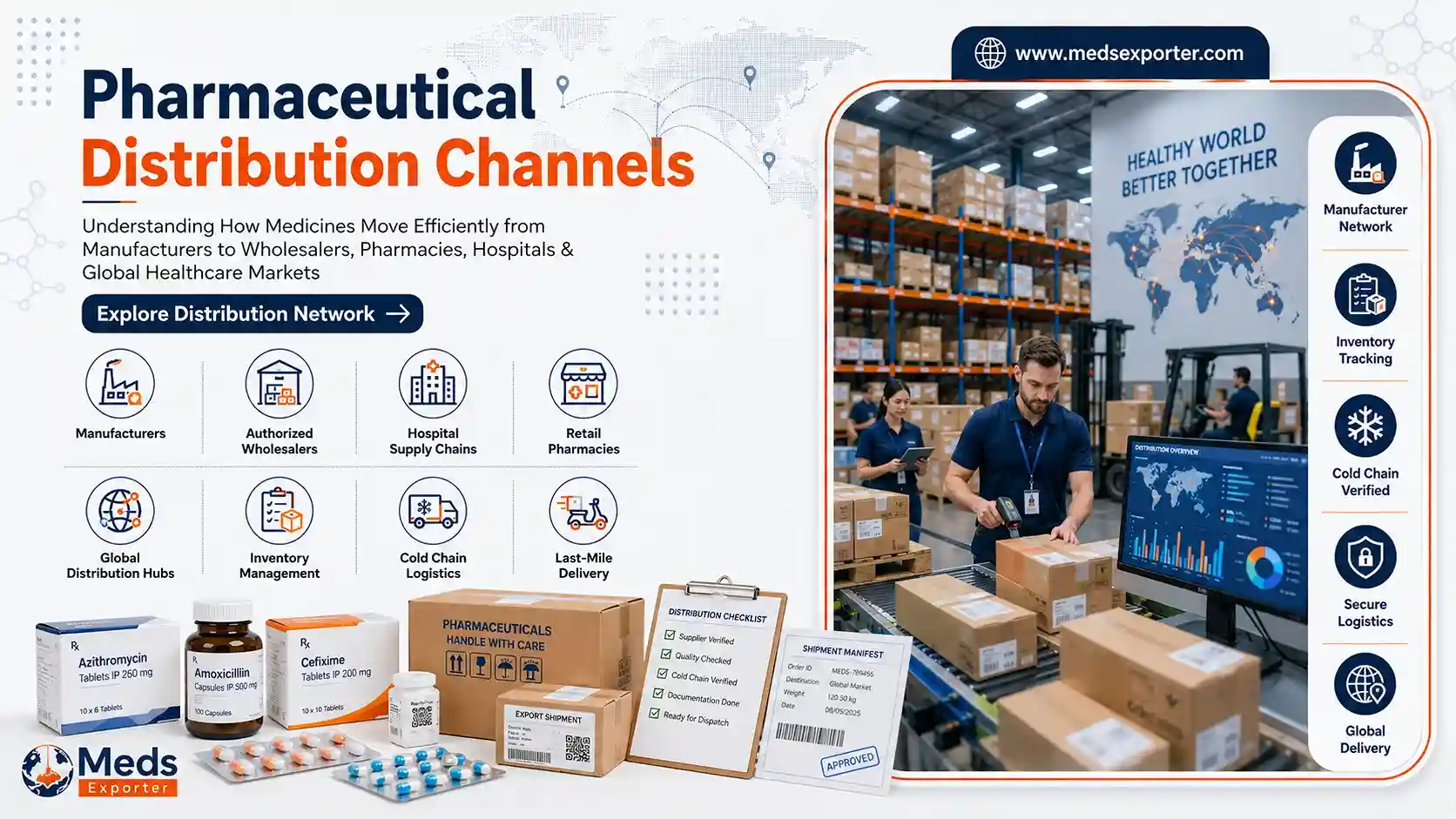
Pharmaceutical distribution channels play a crucial role in the healthcare industry by ensuring that medications and healthcare products are delivered efficiently from manufacturers to the end consumers. The distribution network in the pharmaceutical sector is complex, highly regulated, and essential for maintaining the integrity and safety of medicines. Understanding pharma distribution is vital for manufacturers, wholesalers, pharmacies, healthcare providers, and patients alike.
What is Pharma Distribution?
Pharma distribution refers to the process and pathways through which pharmaceutical products move from the point of manufacturing to the point of sale or use. This process involves several intermediaries, such as wholesalers, distributors, pharmacies, hospitals, and sometimes direct-to-consumer channels. The key objective is to ensure the availability of genuine, safe, and effective medicines at the right place, in the right quantity, and at the right time.
Key Pharmaceutical Distribution Channels
Pharma distribution channels can vary based on the region, type of product, and regulatory framework, but the primary channels include:
- Manufacturer to Wholesaler to Retail Pharmacy: This is one of the most common distribution channels in which the manufacturer sells drugs to a wholesaler. The wholesaler then supplies these drugs to retail pharmacies, which finally dispense them to consumers.
- Manufacturer to Distributor to Hospital/Pharmacy: Distributors often handle specialized or bulk pharmaceutical products and supply directly to hospitals, clinics, or pharmacies.
- Direct-to-Pharmacy or Direct-to-Hospital: In some cases, manufacturers supply drugs directly to large retail pharmacy chains or hospital networks, bypassing intermediaries to reduce costs and improve supply chain efficiency.
- Pharma E-commerce: With the rise of digital healthcare, online pharmacies have emerged as significant players. Manufacturers or distributors may supply drugs directly to e-commerce platforms, delivering medicines to patients’ doorsteps.
Importance of Efficient Pharma Distribution
Efficient pharmaceutical distribution is vital for several reasons:
- Access to Medicines: Timely distribution ensures medicines reach remote or underserved areas, improving public health outcomes.
- Quality and Safety: Proper storage, handling, and transportation maintain drug efficacy and prevent contamination or counterfeit products.
- Cost Management: Streamlined distribution reduces logistical costs, preventing price inflation for end consumers.
- Regulatory Compliance: Adherence to policies and standards ensures legal distribution and reduces risks associated with expired or counterfeit products.
Challenges in Pharmaceutical Distribution
Despite its importance, pharma distribution faces many challenges that can affect efficiency and safety:
- Regulatory Complexity: Different countries maintain strict and varied regulations, requiring distributors to comply with multiple standards.
- Counterfeit Medicines: The presence of fake drugs in the supply chain poses severe health risks and undermines trust.
- Cold Chain Maintenance: Certain medicines require specialized temperature-controlled logistics to maintain stability.
- Inventory Management: Demand forecasting errors and mismanagement can lead to drug shortages or excess stock.
- Supply Chain Disruptions: Natural disasters, pandemics, or geopolitical issues can interrupt the supply chain, delaying drug availability.
Emerging Trends in Pharma Distribution
Innovation and technology are transforming pharma distribution channels worldwide:
- Digital Supply Chain Management: Technologies like blockchain and IoT enable better traceability, transparency, and inventory control.
- Automation and Robotics: Warehouses and distribution centers increasingly adopt automation to improve speed and accuracy.
- Direct-to-Patient Delivery: Personalized medicine and telehealth are encouraging manufacturers to implement direct shipment models.
- Cold Chain Innovations: Advanced cooling technologies and monitoring devices are improving the safety of temperature-sensitive products.
- Sustainable Logistics: Environmentally friendly packaging and transportation are gaining focus to reduce the sector’s carbon footprint.
Conclusion
Pharmaceutical distribution channels are the backbone of the healthcare supply chain, ensuring that quality medicines reach patients effectively and efficiently. As the pharma industry evolves, embracing new technologies and overcoming traditional challenges becomes essential for maintaining a robust distribution network. Stakeholders must work collaboratively to innovate and ensure that life-saving drugs are accessible to all who need them.
FAQ
What is the role of a pharmaceutical distributor?
A pharmaceutical distributor acts as an intermediary between manufacturers and the end points such as pharmacies and hospitals. They manage logistics, warehousing, inventory, and ensure compliance with regulations to deliver medicines safely and promptly.
How do pharmaceutical distribution channels impact drug pricing?
Each intermediary in the distribution channel adds operational costs such as handling, storage, and transportation. Efficient distribution helps reduce these costs, which can lower the overall price for consumers. Conversely, an inefficient supply chain may increase costs, impacting drug affordability.
What measures are taken to prevent counterfeit drugs in the distribution chain?
To combat counterfeit drugs, distributors implement strict verification processes, use serialization and tracking technologies like barcodes and blockchain, and comply with regulatory frameworks like the Drug Supply Chain Security Act (DSCSA) to ensure authenticity throughout the supply chain.
How is technology transforming pharmaceutical distribution?
Technology enhances pharma distribution by improving supply chain visibility, enabling real-time tracking, automating warehouse operations, and facilitating direct-to-patient deliveries. Innovations like blockchain improve transparency and reduce fraud, while cold chain technologies protect temperature-sensitive medicines.
What challenges do cold chain distribution face in pharma?
Cold chain distribution requires maintaining strict temperature controls during transport and storage. Challenges include equipment failure, insufficient monitoring, logistical delays, and inadequate training, all of which can compromise drug safety and efficacy if not managed properly.