
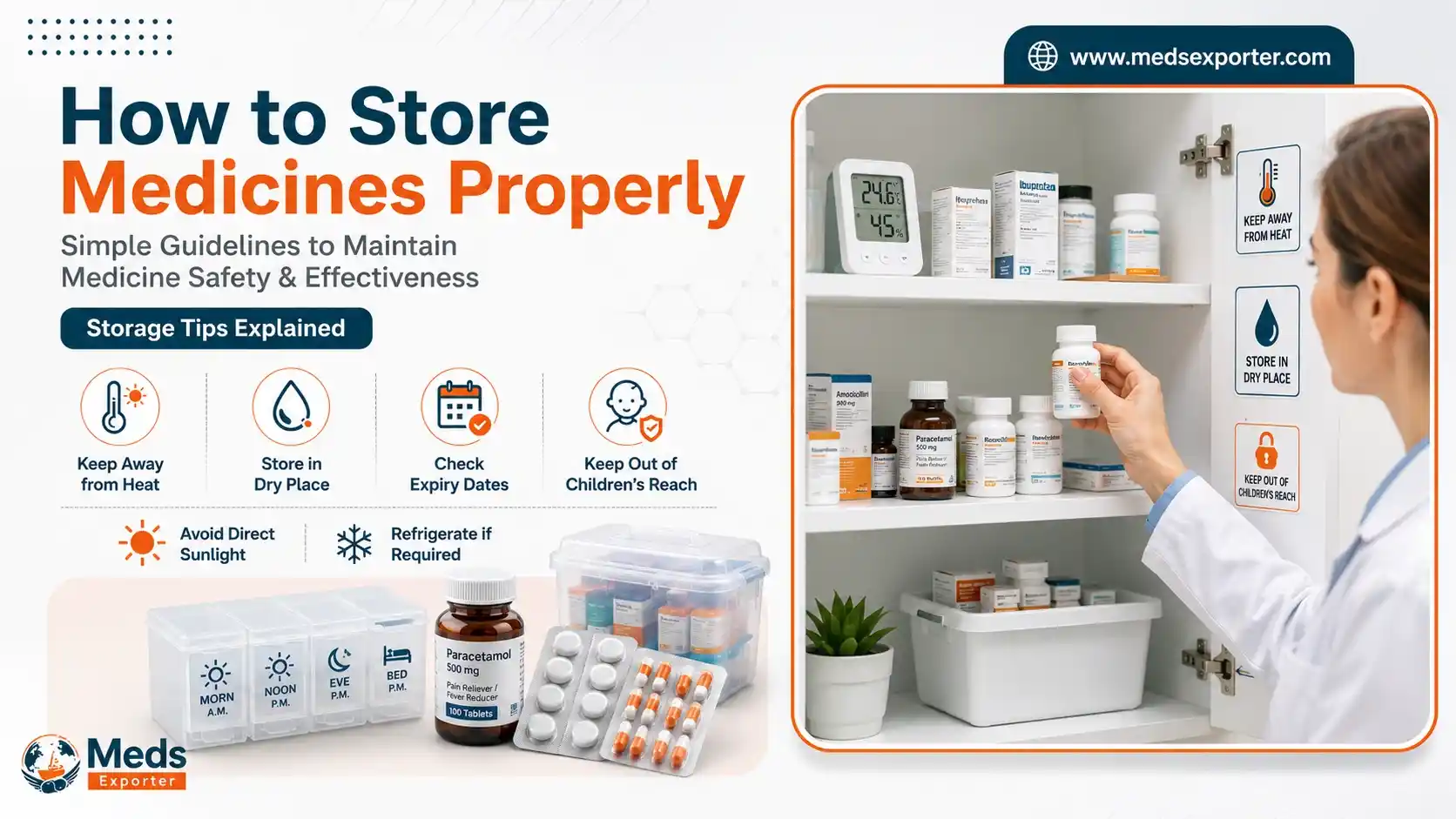
Proper medicine storage is crucial to ensure the effectiveness and safety of your medications. Storing medicines incorrectly can lead to reduced potency, contamination, or even health risks. This medicine storage guide will provide you with detailed tips and best practices for storing various types of medicines, helping you maintain their quality and protect your family’s health.
General Medicine Storage Guidelines
To ensure medicines remain safe and effective, follow these fundamental storage guidelines:
- Follow the label instructions: Always read and follow the storage instructions provided on the medicine label or packaging. Different medicines may require different conditions.
- Keep medicines in original containers: Store medicines in their original packaging to retain important information such as dosage, expiry date, and manufacturer.
- Store medicines in a cool, dry place: Most medicines require storage away from heat and moisture, which can accelerate deterioration.
- Ensure containers are tightly closed: Keeping containers sealed helps protect medicines from air and contaminants.
- Keep medicines out of reach of children and pets: Store medications in secured areas to prevent accidental ingestion.
- Do not store medicines in the bathroom: Bathrooms tend to have high humidity levels, which can damage medicines.
Storing Different Types of Medicines
Tablets and Capsules
Tablets and capsules generally require storage in a dry place at room temperature, typically between 20°C and 25°C (68°F and 77°F). Avoid storing them in the kitchen or bathroom, where temperature changes and humidity are more common. Always close the bottles tightly after use.
Liquid Medicines
Liquid medicines, such as syrups or suspensions, often require refrigeration after opening. Check the label instructions carefully. For example, some antibiotics and insulin must be refrigerated, while others do not. Shake liquids well before use and ensure the bottle is tightly sealed.
Inhalers
Inhalers should be stored at room temperature away from direct sunlight and moisture. Do not freeze or expose inhalers to extreme heat. Keep the mouthpiece clean and always replace the cap after use.
Topical Medicines
Topical creams, ointments, and gels generally require storage in a cool, dry place but not necessarily refrigeration. Exposure to excess heat or freezing temperatures can alter their consistency and effectiveness.
Insulin and Other Injectable Medicines
Insulin and many injectable medicines require refrigeration between 2°C and 8°C (36°F and 46°F). However, avoid freezing. When traveling, use an insulated container to maintain the required temperature. Consult with your healthcare provider or pharmacist for specific storage tips.
Special Tips for Medicine Storage
- Use a dedicated medicine cabinet: Store your medicines in a single, dedicated location that’s cool, dry, and secure.
- Regularly check expiry dates: Dispose of expired or unused medicines safely to avoid accidental consumption.
- Keep a medicine inventory: Maintain a list of all medications, including expiration dates and storage instructions.
- Avoid transferring medicines: Never transfer medicines from their original containers to other packages, as this can cause confusion or contamination.
- Travel storage: Use portable medicine coolers or insulated bags for temperature-sensitive medications when traveling.
Why Proper Medicine Storage Matters
Medicines, whether prescription or over-the-counter, have specific storage requirements that help maintain their chemical stability and effectiveness. Exposure to heat, moisture, light, or improper temperature can degrade medicines, leading to decreased efficacy or potentially harmful substances forming. Additionally, improper storage may lead to accidental ingestion, especially by children or pets.
How to Dispose of Medicines Safely
Proper disposal of expired or unused medicines is part of responsible medicine storage. Never flush medicines down the toilet or throw them in the trash without following local guidelines. Many communities have medicine take-back programs or designated drop-off sites. Check with your pharmacy or local health department for disposal options.
Common Mistakes to Avoid in Medicine Storage
- Storing medicines in the bathroom: High humidity and temperature fluctuations can degrade medicines.
- Leaving medicines in the car: Extreme heat or cold can reduce the effectiveness.
- Using unlabelled containers: This increases the risk of wrong dosing or accidental ingestion.
- Ignoring storage instructions: This can jeopardize medication safety and effectiveness.
Medicine Storage Guide Summary
Following this medicine storage guide ensures that your medications remain safe and effective for use. Always read and adhere to the storage instructions, keep medicines in their original containers, store them in cool, dry, and secure locations, and dispose of expired medicines properly. By taking these precautions, you protect your health and your family’s well-being.
FAQs
How long can medicines be stored at home?
The storage time depends on the medicine’s expiry date and storage conditions. Always check the expiry date on the packaging. If stored properly, most medicines remain effective until their expiration.
Can I store medicines in the refrigerator?
Only if the label or your pharmacist advises it. Some medicines, like insulin and certain antibiotics, require refrigeration to stay effective, while others may be damaged by cold.
Is it safe to use expired medicines?
It is not recommended to use expired medicines as they may lose potency or become unsafe. Always check expiry dates before use and dispose of expired medicines properly.
Where should I keep medicines away from children?
Store medicines in a locked cabinet or a high shelf out of children’s reach to prevent accidental ingestion.
What should I do if my medicine changes color or smell?
If a medicine changes in appearance, odor, or consistency, do not use it and consult your pharmacist or healthcare provider.