
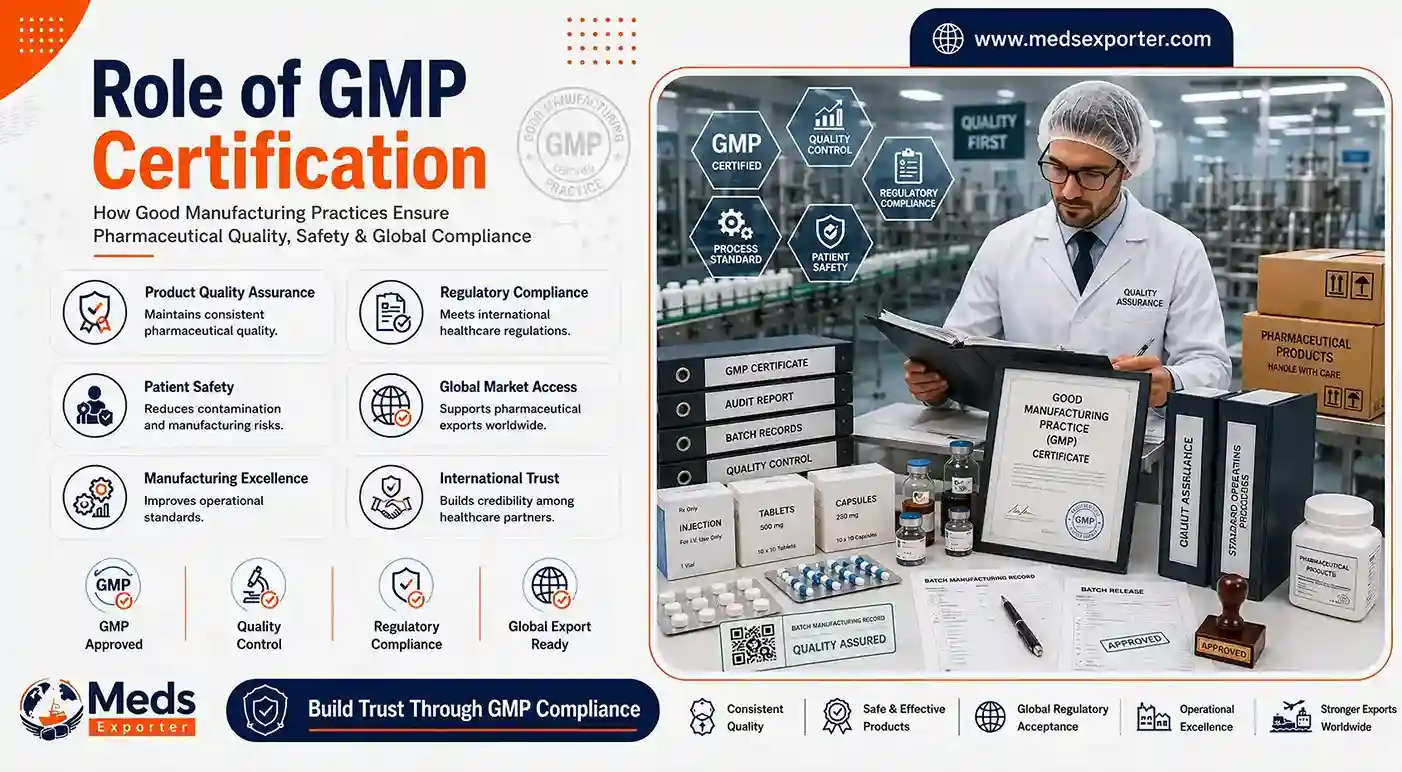
The pharmaceutical industry operates under stringent quality and safety regulations to ensure that medicines are effective and safe for consumption. One of the most critical standards in this domain is GMP certification for pharmaceuticals, which stands for Good Manufacturing Practices certification specific to pharmaceuticals. GMP certification plays a vital role in the manufacturing, quality control, and regulatory compliance of pharmaceutical products across the globe. This article delves deeply into the role of GMP certification in the pharma sector, discussing its importance, benefits, and impact on manufacturers, healthcare providers, and consumers alike.
What is GMP Certification in Pharma?
Good Manufacturing Practices (GMP) certification is a formal accreditation that confirms a pharmaceutical manufacturing facility complies with a set of internationally recognized guidelines designed to ensure consistent product quality and safety. These guidelines cover all aspects of production, from raw material sourcing through manufacturing processes to packaging and distribution.
In the pharmaceutical industry, GMP certification is mandatory in most countries and enforced by regulatory bodies such as the FDA (Food and Drug Administration) in the United States, EMA (European Medicines Agency) in Europe, and other national health authorities.
The Importance of GMP Certification Pharma
GMP certification is significant for several reasons. The pharmaceutical industry deals directly with human health, and substandard products can lead to severe health risks or even fatalities. GMP ensures:
- Product Safety: By enforcing hygiene and contamination control, GMP reduces the chance of product contamination or mix-ups.
- Consistent Quality: Standardized procedures ensure that every batch of product meets set quality criteria.
- Regulatory Compliance: Manufacturers comply with laws and regulations, a prerequisite for legal market access.
- Consumer Confidence: Certification assures customers and healthcare professionals of the efficacy and reliability of pharmaceutical products.
Core Components of GMP in the Pharmaceutical Sector
Implementing GMP successfully involves multiple components designed to cover the entire manufacturing lifecycle. These include:
- Quality Management System (QMS): A structured system for managing and documenting product quality.
- Sanitation and Hygiene: Protocols to maintain cleanliness for personnel, equipment, and facilities.
- Qualified Staff: Training and competency evaluation for all personnel involved in production.
- Validated Processes: Procedures and equipment must be validated to ensure reproducibility.
- Proper Documentation: Detailed records of manufacturing, testing, and distribution to allow traceability.
- Quality Control Laboratories: Routine testing ensures raw materials and finished products meet specifications.
- Pest Control: Measures to prevent contamination by pests.
Benefits of GMP Certification Pharma
The benefits of attaining GMP certification are multifaceted, spanning manufacturers, regulators, and consumers.
- Reduces Risk of Recalls and Legal Issues: Ensures product quality to avoid costly production recalls or legal sanctions.
- Enhances Market Access and Competitiveness: Certification is often a prerequisite for entering regulated markets globally.
- Improves Operational Efficiency: Process standardization reduces waste and increases productivity.
- Strengthens Brand Reputation: GMP certification bolsters a company’s reputation for reliability and commitment to quality.
- Protects Patient Health: By minimizing risks of contamination, wrong dosages, or ineffective medicines.
Challenges in Achieving GMP Certification
Obtaining and maintaining GMP certification can be challenging due to the rigorous standards involved. Some common hurdles pharmaceutical companies face include:
- Infrastructure Upgrades: Facilities often require significant investment to meet GMP standards.
- Continuous Training: Ensuring all employees remain knowledgeable about evolving GMP regulations.
- Documentation Complexity: Extensive and accurate record-keeping can be resource-intensive.
- Audit Preparedness: Regular inspections by regulatory authorities require ongoing readiness for compliance.
Despite these challenges, the benefits far outweigh the costs, making GMP certification indispensable for any serious pharmaceutical manufacturer.
The Role of GMP Certification in Regulatory Approval
Regulatory agencies usually mandate GMP certification as part of the drug approval process. Without GMP compliance, a company cannot legally manufacture or sell pharmaceutical products in many countries. Inspections are conducted to verify compliance, and any deviations may result in severe penalties or suspension of manufacturing licenses.
Thus, GMP certification serves as both a quality assurance tool and a legal requirement, ensuring that medicines reaching the market are trustworthy and safe.
Conclusion
In summary, GMP-certified pharma is a cornerstone for quality assurance and regulatory compliance in the pharmaceutical industry. It plays a crucial role in safeguarding public health by guaranteeing the safety, efficacy, and quality of pharmaceutical products. While achieving GMP certification requires considerable effort and resources, its benefits in enhancing a company’s credibility, marketability, and operational standards make it an essential investment. As global healthcare demands increase, maintaining GMP-certified manufacturing practices remains pivotal for the ongoing success and safety of the pharmaceutical sector.
FAQs
What does GMP certification pharma mean?
GMP certification for pharma indicates that a pharmaceutical manufacturing facility complies with Good Manufacturing Practices, ensuring products are consistently produced to quality standards.
Why is GMP certification important for pharmaceutical companies?
It ensures product safety, quality, and regulatory compliance and builds consumer confidence in the efficacy of medicines.
How often must GMP certification be renewed?
Renewal frequency varies by country and regulatory body but typically requires annual audits or inspections to maintain compliance.
Can pharma companies operate without GMP certification?
No, most countries require GMP certification for legal operation and market authorization of pharmaceutical products.
What challenges do companies face when implementing GMP?
Challenges include upgrading infrastructure, employee training, managing documentation, and preparing for regulatory audits.