
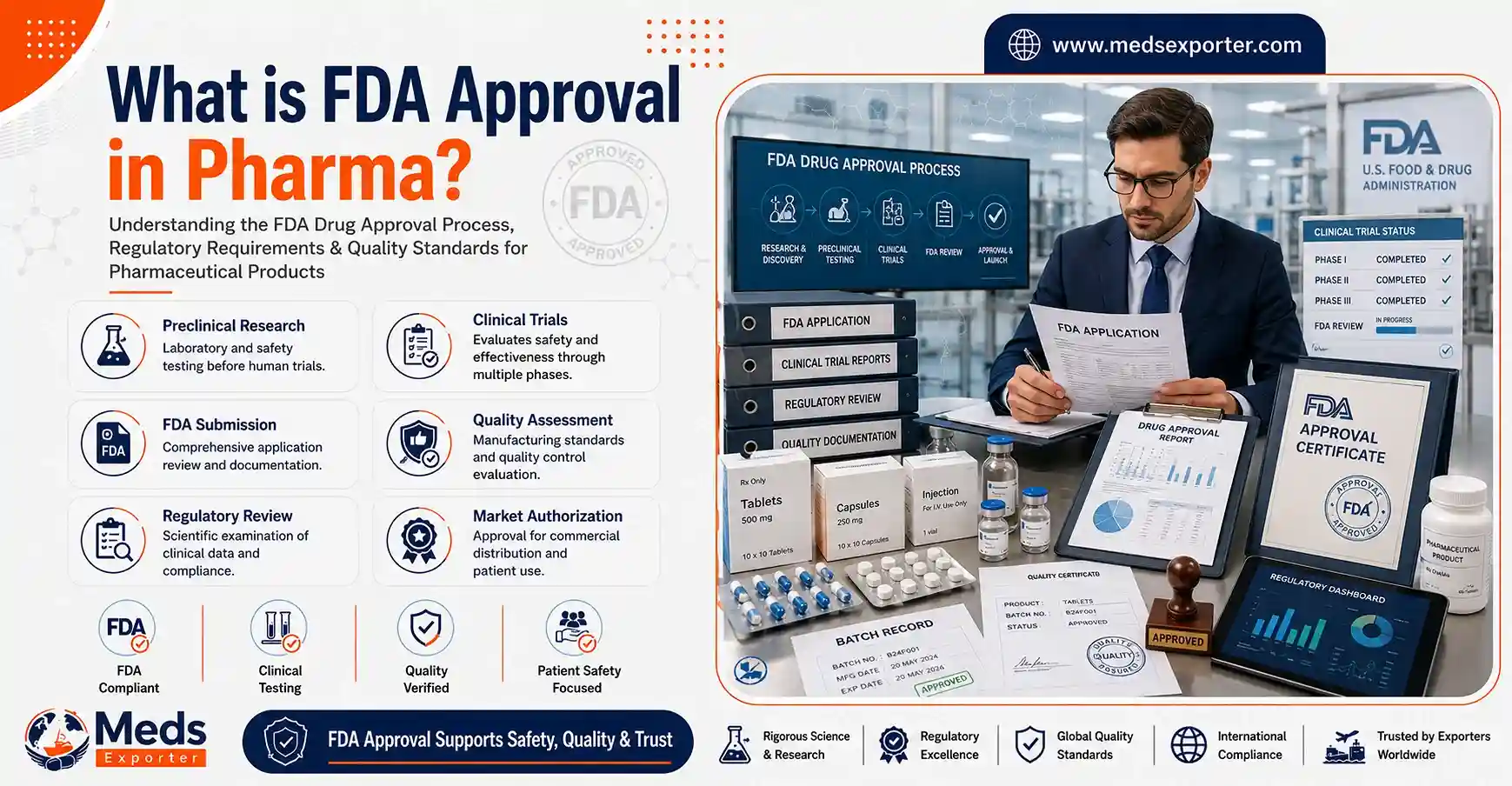
FDA pharma approval is a critical process in the pharmaceutical industry that ensures drugs are safe and effective for public use. The Food and Drug Administration (FDA) is a regulatory body in the United States responsible for protecting public health by overseeing the approval of pharmaceuticals, medical devices, and other health-related products. Understanding what FDA approval entails is essential for professionals in the industry, patients, and consumers who rely on medications.
What is FDA Pharma Approval?
FDA pharma approval is the official authorization granted by the FDA to pharmaceutical companies, allowing them to market and sell their drugs in the United States. This approval indicates that the drug has successfully passed a series of rigorous tests and evaluations confirming its safety, efficacy, and quality. Without this approval, pharmaceutical products cannot be legally distributed or sold.
The Importance of FDA Approval in Pharmaceuticals
FDA approval plays a vital role in the pharmaceutical sector for several reasons:
- Ensures Safety: FDA approval guarantees that the drug has been tested extensively to minimize risks and adverse effects.
- Confirms Efficacy: It verifies that the medication effectively treats the intended condition or disease.
- Quality Control: The manufacturing process is scrutinized to ensure consistent quality and purity.
- Consumer Confidence: Patients trust medications that have FDA approval, knowing they meet strict standards.
- Legal Compliance: Adhering to FDA regulations helps pharmaceutical companies avoid fines and legal issues.
The FDA Pharma Approval Process Explained
The process of obtaining FDA pharma approval is complex and includes multiple stages, each designed to gather critical data about the drug’s performance and safety.
1. Preclinical Testing
Before testing a drug on humans, pharmaceutical companies conduct laboratory and animal studies to assess the drug’s safety and biological activity. This phase helps identify any potential toxicity or serious side effects.
2. Investigational New Drug Application (IND)
Once preclinical tests show promise, the company submits an IND application to the FDA. This application includes preclinical data, the drug’s formulation, and plans for clinical trials. The FDA reviews the IND to ensure the proposed studies are safe to proceed.
3. Clinical Trials
Clinical trials occur in three phases:
- Phase 1: A small group of healthy volunteers is tested to evaluate safety and dosage.
- Phase 2: A larger group of patients to assess efficacy and side effects.
- Phase 3: Extensive testing with large patient populations to confirm effectiveness and monitor adverse reactions.
4. New Drug Application (NDA)
After successful clinical trials, the pharmaceutical company submits an NDA to the FDA. This application contains detailed data from all preclinical and clinical studies, proposed labeling, and information about manufacturing processes.
5. FDA Review
The FDA carefully reviews the NDA, evaluating all submitted data. This review may take several months, during which the FDA can request additional information or require further testing.
6. FDA Decision
If the FDA determines the drug is safe, effective, and meets quality standards, it approves. If not, the FDA will reject the application or ask for more data. Sometimes, approval is conditional, requiring post-marketing surveillance.
Types of FDA Pharma Approvals
The FDA offers various approval pathways depending on the drug’s purpose and urgency.
- Standard Approval: For drugs with demonstrated safety and efficacy through the traditional process.
- Accelerated Approval: For drugs treating serious conditions with unmet medical needs, allowing faster access based on surrogate endpoints.
- Priority Review: Shortens the FDA review period for drugs that offer significant improvement.
- Breakthrough Therapy: Expedited development and review for promising drugs treating serious conditions.
Challenges in Obtaining FDA Pharma Approval
The approval process is time-consuming, costly, and stringent. Pharmaceutical companies face challenges such as the following:
- High Costs: Clinical trials and research require significant investment.
- Time Constraints: The process can take several years before market entry.
- Regulatory Hurdles: Meeting all FDA requirements and responding to queries is demanding.
- Data Complexity: Collecting comprehensive data on safety and effectiveness can be difficult.
The Role of FDA Approval in Global Pharma Markets
FDA approval not only impacts the U.S. market but also influences global pharmaceutical practices. Many countries consider FDA status when approving drugs locally. Additionally, FDA approval can enhance a company’s reputation and market competitiveness internationally.
Conclusion
FDA pharma approval is an indispensable milestone in the lifecycle of pharmaceutical products. It ensures that only safe, effective, and high-quality medications reach patients, thereby protecting public health. Understanding the approval process helps stakeholders appreciate the rigorous efforts behind every approved drug. For pharmaceutical companies, FDA approval is both a regulatory requirement and a mark of credibility in the competitive pharmaceutical landscape.
FAQs
What does FDA pharma approval mean?
FDA pharma approval means that the Food and Drug Administration has reviewed and authorized a pharmaceutical drug for marketing in the United States, confirming its safety, efficacy, and quality.
How long does the FDA approval process take?
The process varies but typically takes several years, depending on the type of drug, clinical trial results, and FDA review times. Some expedited programs can shorten this duration.
Can a drug be sold without FDA approval?
No, in the U.S., pharmaceutical drugs must have FDA approval before they can be legally marketed or sold to consumers.
What are the different types of FDA approvals?
FDA offers several types of approvals, including standard approval, accelerated approval, priority review, and breakthrough therapy designation, each designed to fit various drug development scenarios.
Why is FDA approval important for patients?
FDA approval ensures that drugs are safe and effective, which helps protect patients from harmful or ineffective treatments.