
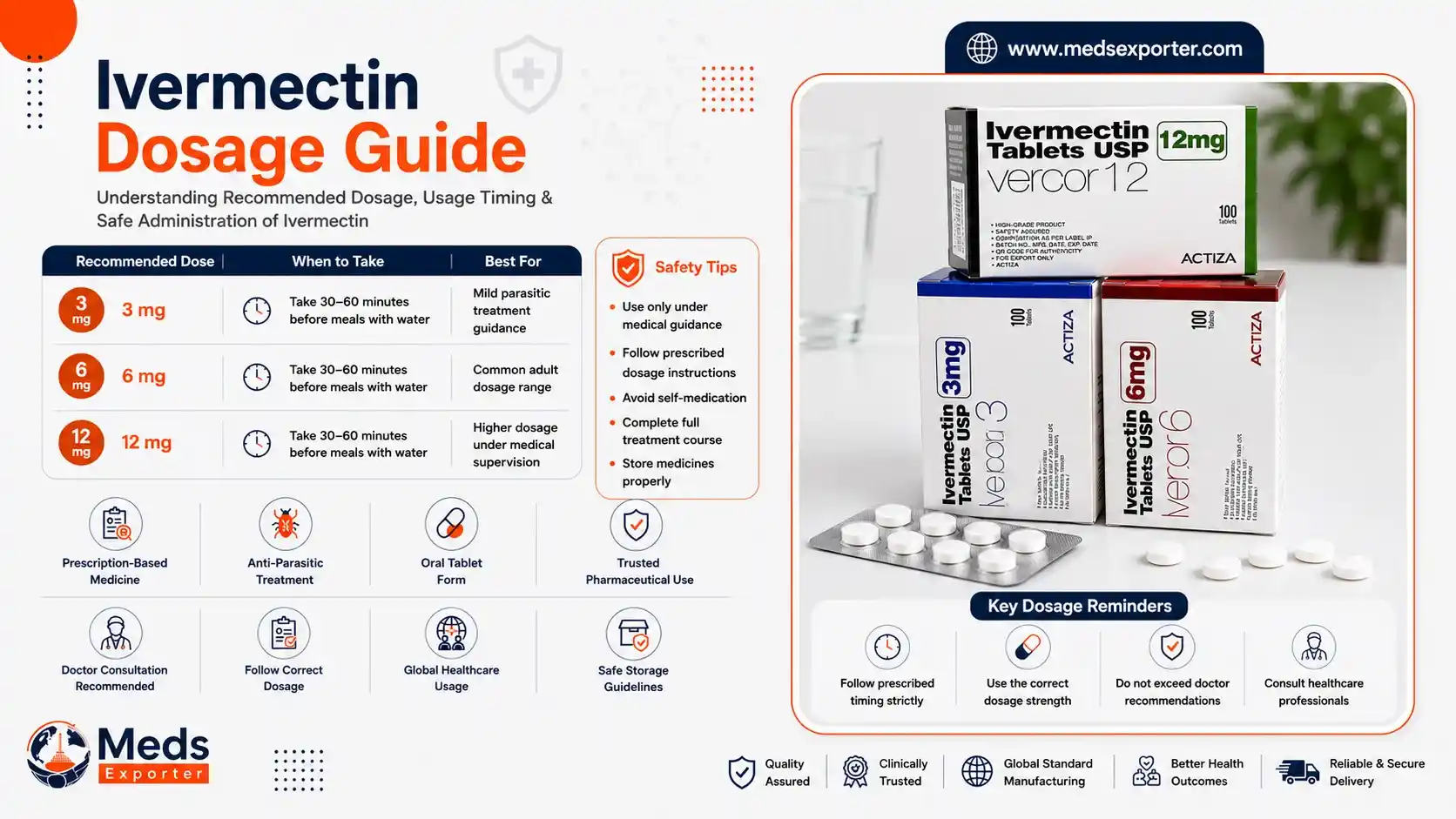
Ivermectin is a widely used medication that treats various parasitic infections in humans. Its effectiveness and relative safety have made it a staple treatment option across the globe. However, understanding the proper ivermectin dosage is crucial to ensure safety and maximize therapeutic benefits. Incorrect dosing can lead to reduced effectiveness or potentially harmful side effects.
What is Ivermectin?
Ivermectin is an antiparasitic agent that works by paralyzing and killing certain parasites, including worms and external parasites like lice and scabies mites. It is prescribed for conditions such as onchocerciasis (river blindness), strongyloidiasis, scabies, and sometimes off-label for other parasitic infections.
General Ivermectin Dosage Guidelines
The dosage of ivermectin depends on several factors, including the type of infection, patient weight, age, and overall health condition. It is usually administered orally in tablet form but can also come in topical formulations for certain conditions.
Dosage by Condition
- Strongyloidiasis: The typical dosage is 200 mcg/kg as a single oral dose. Sometimes, a second dose may be needed after two weeks based on clinical judgment.
- Onchocerciasis: The usual recommended dose is 150 mcg/kg orally once every 6 to 12 months until the infection is cleared.
- Scabies: For scabies, a dose of 200 mcg/kg is administered once, and in some cases, a repeat dose after one to two weeks may be prescribed.
- Head Lice: Ivermectin topical lotion (0.5%) is applied to the affected areas twice, seven days apart.
Calculating Ivermectin Dosage
Since ivermectin dosing is weight-dependent, healthcare providers typically calculate the dose based on the patient’s body weight in kilograms (kg). The common dose of 200 mcg/kg means 0.2 mg per kg of body weight. For example, a 70 kg adult would receive 14 mg (70 x 0.2 mg) per dose.
Administration Tips
- Ivermectin is generally taken on an empty stomach with water, at least one hour before meals, to enhance absorption.
- Tablets should be swallowed whole and not crushed or chewed.
- Patients should adhere strictly to the prescribed dose and schedule to avoid underdosing or overdosing.
Other Ivermectin Dosages
Safety and Precautions
While ivermectin is generally safe when used correctly, misuse or overuse can cause adverse effects. Always follow your healthcare provider’s instructions carefully.
- Common Side Effects: Mild side effects include dizziness, nausea, diarrhea, or rash.
- Severe Reactions: Rarely, serious allergic reactions or neurological symptoms like confusion or seizures can occur.
- Drug Interactions: Inform your doctor about all medications and supplements you are taking to avoid potential interactions.
- Special Populations: Pregnant or breastfeeding women and children under 15 kg should use ivermectin only under medical supervision.
Read More: What is Ivermectin Used For?
FAQs
What is the standard ivermectin dosage for adults?
The standard dosage for most adults is 200 mcg/kg taken as a single oral dose, depending on the infection being treated. Repeat dosing schedules may apply for some conditions.
Can ivermectin be taken with food?
Ivermectin is best taken on an empty stomach with water to improve absorption. Taking it with food might reduce effectiveness.
Is the ivermectin dosage the same for children?
Dosage for children is calculated based on their body weight. It is typically not recommended for children weighing less than 15 kg unless prescribed by a healthcare professional.
What should I do if I miss a dose of ivermectin?
If you miss a dose, take it as soon as you remember unless it is almost time for your next dose. Do not double the dose to catch up. Contact your healthcare provider if unsure.
Are there any long-term risks associated with ivermectin use?
Long-term or frequent use of ivermectin without medical supervision is not recommended and may lead to toxicity or resistance. Always follow your healthcare provider’s guidelines.