
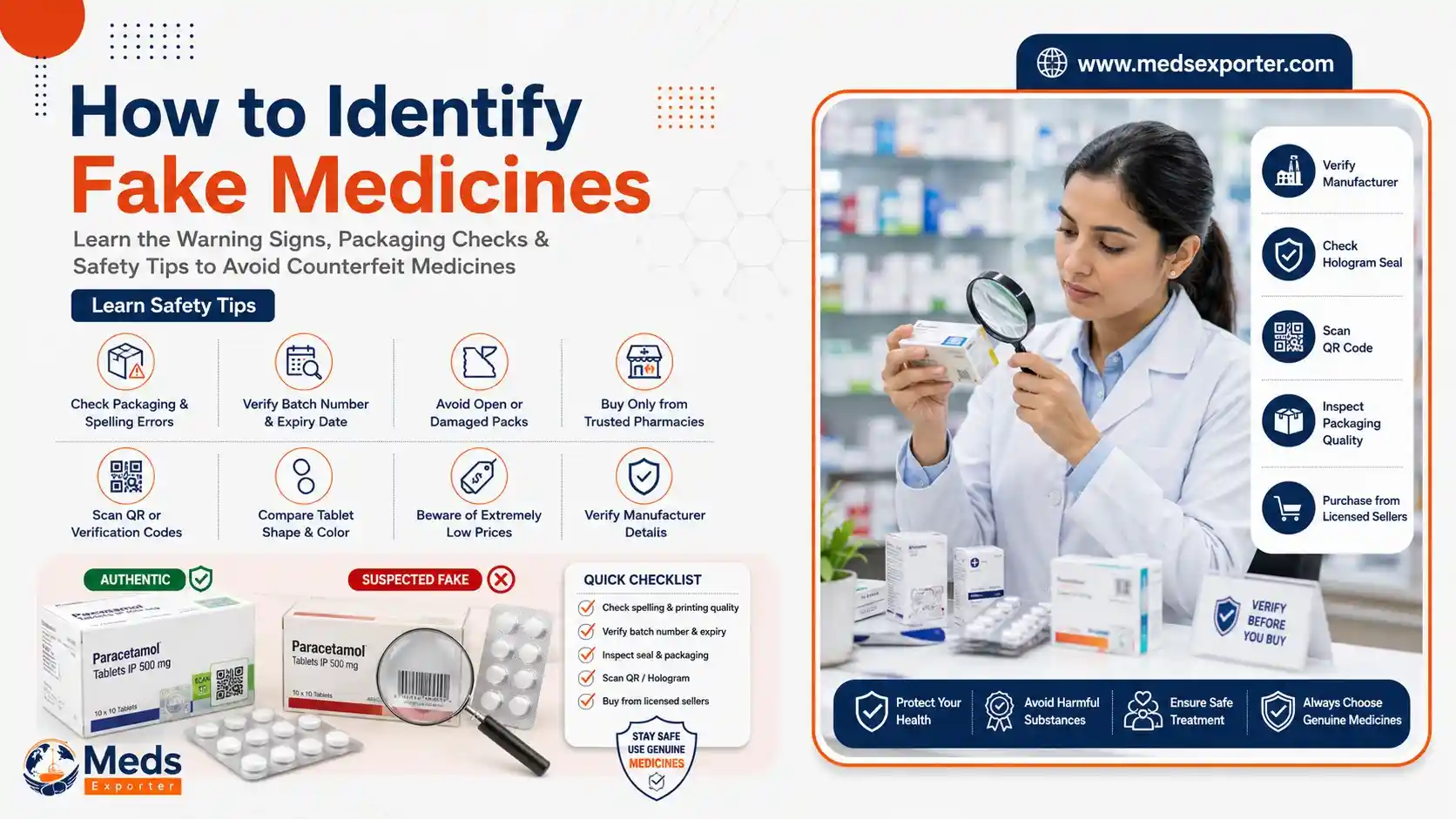
Fake medicines pose a significant threat to public health by risking treatment failures and causing severe side effects. Identifying fake drugs is crucial to ensure safety and effectiveness. This article provides detailed insights and practical tips on fake medicine identification to help consumers and healthcare professionals avoid counterfeit drugs.
What Are Fake Medicines?
Fake medicines, also known as counterfeit drugs, are products that are deliberately and fraudulently mislabeled with respect to identity, source, or both. They may contain incorrect or no active ingredients, wrong dosages, or harmful substances.
Why Is Fake Medicine Identification Important?
The circulation of fake drugs can lead to:
- Health risks, including allergic reactions and toxicity
- Treatment failure and disease progression
- Wastage of money and resources
- Increased antibiotic resistance
Key Tips on How to Identify Fake Medicines
Recognizing counterfeit medicine requires vigilance and awareness. Here are some crucial methods for effective fake medicine identification:
1. Check Packaging Quality
Poor packaging is a common sign of fake drugs. Pay attention to:
- Spelling mistakes or grammatical errors on labels
- Uneven fonts, colors, or blurry printing
- Broken seals, tampered wrappers, or resealed bottles
- Mismatched batch numbers or expiry dates
2. Verify Medicine Appearance
Compare the physical appearance of the medicine against authentic references:
- Examine the shape, size, color, and texture of pills or capsules
- Look for inconsistencies such as cracks, discoloration, or unusual markings
- Check if tablets easily crumble or powder falls out
3. Observe Smell and Taste
Fake medicines may have unusual odors or unpleasant tastes due to the use of incorrect or impure ingredients. While this should be done cautiously, any suspicious smell or bitter taste may indicate counterfeit products.
4. Use Authentication Features
Many manufacturers now use security features for fake drug identification:
- Holograms: 3D images or reflective stickers
- QR codes or barcodes: Scan to verify authenticity
- Scratch cards: Reveal hidden codes for online validation
5. Purchase from Authorized Sellers
Buying medicines from reputable pharmacies and licensed sellers drastically reduces the risk of obtaining fake products. Avoid online vendors without proper certification or loitering in unsafe markets.
6. Cross-Check Using Official Databases
Many health authorities and organizations maintain databases listing approved medicines and suspicious counterfeit alerts. Check these resources regularly for updates on fake drug identification.
Technological Advances in Fake Medicine Identification
Emerging technologies play a vital role in improving the detection of counterfeit drugs:
- Mobile apps: Scan packaging and validate authenticity instantly
- Radio Frequency Identification (RFID): Track medicines through the supply chain
- Near-Infrared Spectroscopy: Analyze composition without opening the packaging.
What to Do If You Suspect Fake Medicine
If you believe a medicine is fake:
- Do not consume the product
- Inform the pharmacist or healthcare provider immediately
- Report to local drug regulatory authorities or health departments
- Keep the packaging and product as evidence
How to Protect Yourself from Fake Medicines
- Always check medicine packaging and labeling carefully
- Buy medicines only from trusted and licensed pharmacies
- Consult healthcare professionals before starting new medication
- Be cautious when purchasing online or from informal markets
- Stay informed about new counterfeit alerts via government websites
Also Visit:- How to Choose Reliable Pharma Exporter
FAQs
How common are fake medicines?
Fake medicines are a global issue, especially common in low- and middle-income countries, but they can appear anywhere due to the complex supply chains.
Can fake medicines be detected by appearance alone?
While packaging and appearance can provide clues, some counterfeit drugs look very similar to genuine ones; hence, further verification is often necessary.
Are online medicines safe to buy?
Only purchase from certified and verified online pharmacies. Avoid websites without clear licensing information or those offering significantly discounted drugs.
Can using fake medicines cause death?
Yes, consuming fake drugs can lead to serious health complications, including death, due to toxic ingredients, allergic reactions, or ineffective treatment.
How do I report fake medicine?
Contact your country’s drug regulatory authority or health department. Many countries have dedicated hotlines or online reporting systems for counterfeit medicines.