
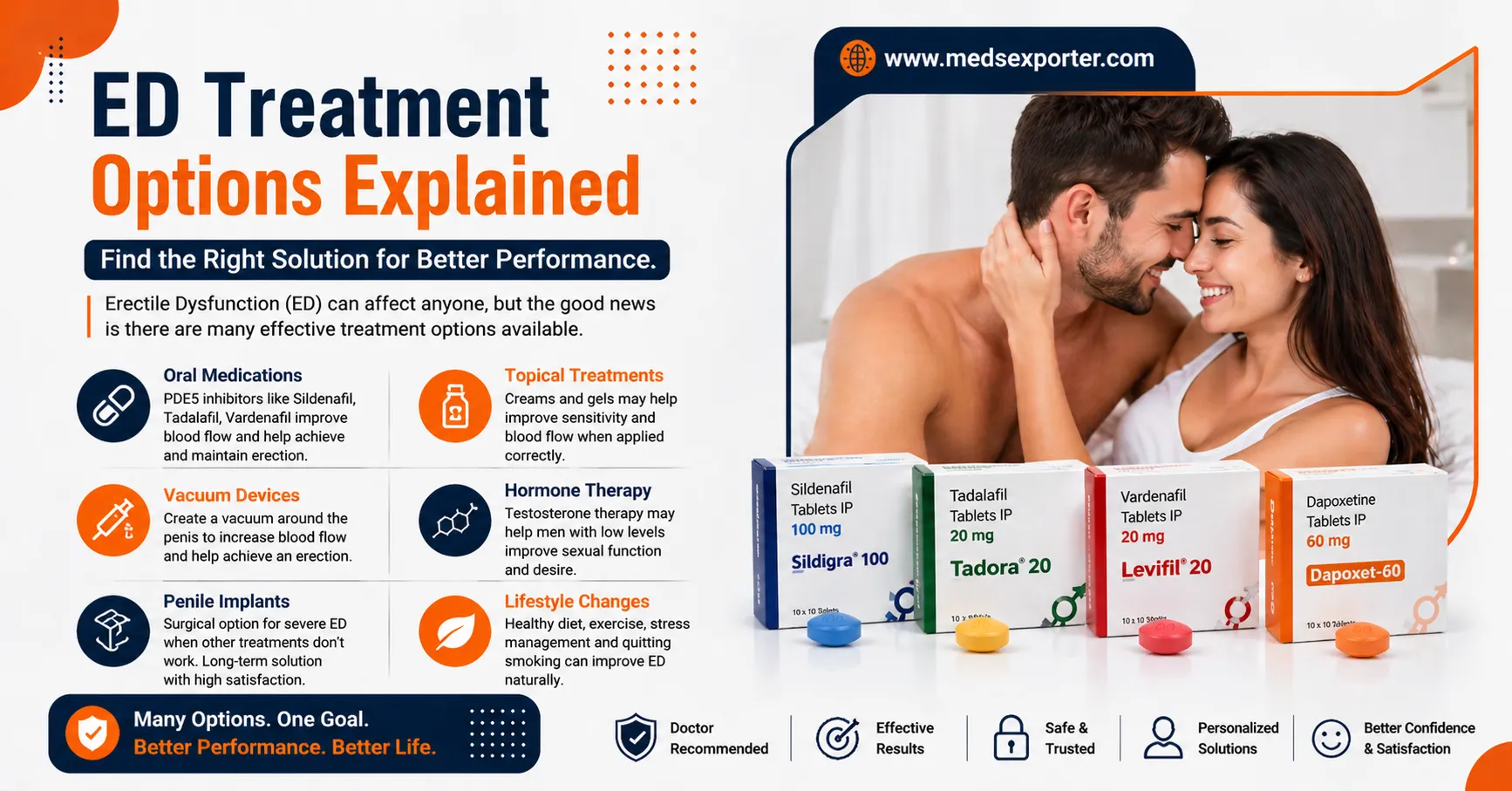
Understanding Erectile Dysfunction
Erectile dysfunction (ED) is a common condition that affects millions of men worldwide. It is characterized by the inability to achieve or maintain an erection sufficient for satisfactory sexual performance. While occasional problems are normal, persistent ED can impact self-esteem, relationships, and overall quality of life.
The good news is that numerous ED treatment options are available, ranging from lifestyle modifications and medications to advanced therapies. Understanding these options can help individuals make informed decisions and regain confidence in their sexual health.
Common Causes of ED
Before discussing treatment, it is essential to understand the underlying causes of Erectile Dysfunction. These can be broadly categorized into physical and psychological factors.
- Physical causes: Cardiovascular disease, diabetes, obesity, high blood pressure, hormonal imbalances, and neurological disorders.
- Psychological causes: Stress, anxiety, depression, relationship issues, and performance anxiety.
ED Treatment Options
Treatment for ED depends on the cause, severity, and individual preferences. Here is a detailed overview of the available options:
1. Lifestyle Changes
For many men, simple lifestyle adjustments can improve ED symptoms and overall health.
- Exercise regularly: Physical activity improves blood flow, boosts testosterone levels, and reduces stress.
- Maintain a healthy diet: Eating a balanced diet rich in fruits, vegetables, lean proteins, and whole grains supports cardiovascular health.
- Quit smoking: Smoking damages blood vessels and restricts blood flow to the penis.
- Limit alcohol consumption: Excessive drinking can cause or worsen ED.
- Manage stress and mental health: Practices like meditation, counseling, or therapy can help address anxiety and depression.
2. Oral Medications
Phosphodiesterase type 5 inhibitors (PDE5 inhibitors) are the most common pharmaceutical treatment for ED. These medications improve blood flow to the penis, facilitating an erection in response to sexual stimulation.
- Sildenafil (Viagra): Typically taken 30-60 minutes before sex, effects last about 4-5 hours.
- Tadalafil (Cialis): Known for a longer duration, up to 36 hours, sometimes called the “weekend pill.”
- Vardenafil (Levitra): Similar to sildenafil with slightly different onset and duration.
- Avanafil (Stendra): Faster onset, usually within 15 minutes.
It is important to consult a healthcare provider before using these medications due to potential interactions and contraindications.
3. Hormone Therapy
For men with low testosterone levels, hormone replacement therapy (HRT) may improve sexual function and libido. Testosterone can be administered through injections, gels, patches, or pellets. A thorough hormone evaluation is necessary before starting treatment.
4. Vacuum Erection Devices (VED)
VEDs are non-invasive tools that create a vacuum around the penis, drawing blood into the corpora cavernosa to produce an erection. A constriction ring is applied at the base of the penis to maintain the erection during intercourse.
These devices are safe and effective for many men, especially those who cannot take PDE5 inhibitors.
5. Penile Injections and Suppositories
When oral medications are ineffective or contraindicated, direct penile treatments may be recommended.
- Intracavernosal injections: Medications such as alprostadil are injected directly into the penis to induce an erection.
- Intraurethral suppositories: Alprostadil can also be administered as a small pellet inserted into the urethra.
These methods often produce erections within 5 to 20 minutes.
6. Psychological Counseling
Since psychological factors contribute to ED in many cases, therapy can be a vital part of treatment. Cognitive-behavioral therapy (CBT), sex therapy, and couples counseling help address anxiety, depression, performance fears, and relationship problems.
7. Surgical Options
When conservative treatments fail, surgery may be considered.
- Pensile implants: Inflatable or malleable rods are surgically implanted to allow controlled erections.
- Vascular surgery: Repairs blood vessel blockages affecting penile blood flow.
While surgical options typically have high success rates, they involve risks and require thorough consultation with a urologist.
Choosing the Right ED Treatment Options
Selecting the most suitable treatment depends on several factors, including the underlying cause, treatment effectiveness, side effects, convenience, and patient preference. It is crucial to:
- Consult a healthcare professional for an accurate diagnosis.
- Discuss all available ED treatment options openly.
- Consider combination treatments for complex cases.
- Monitor progress and adjust treatments as necessary.
FAQs
What are the most effective ED treatment options?
Effectiveness varies per individual, but oral PDE5 inhibitors like sildenafil and tadalafil are often first-line treatments. Lifestyle changes and psychological counseling enhance outcomes.
Are ED treatments safe?
Most ED treatment options are safe when used under medical supervision. Potential side effects and interactions should be discussed with your doctor.
Can lifestyle changes alone cure ED?
For some men, lifestyle changes can significantly improve erectile function, especially if ED is related to cardiovascular health, obesity, or smoking.
Is there a permanent cure for ED?
There is no universal cure; however, many men achieve lasting improvement with treatment tailored to the underlying cause.
When should I see a doctor about ED?
If you experience persistent erectile difficulties for more than a few weeks, it is advisable to seek medical evaluation to rule out underlying health conditions.
Can psychological factors cause ED?
Yes, stress, anxiety, depression, and relationship issues are common psychological causes of ED and can be treated effectively with counseling.