
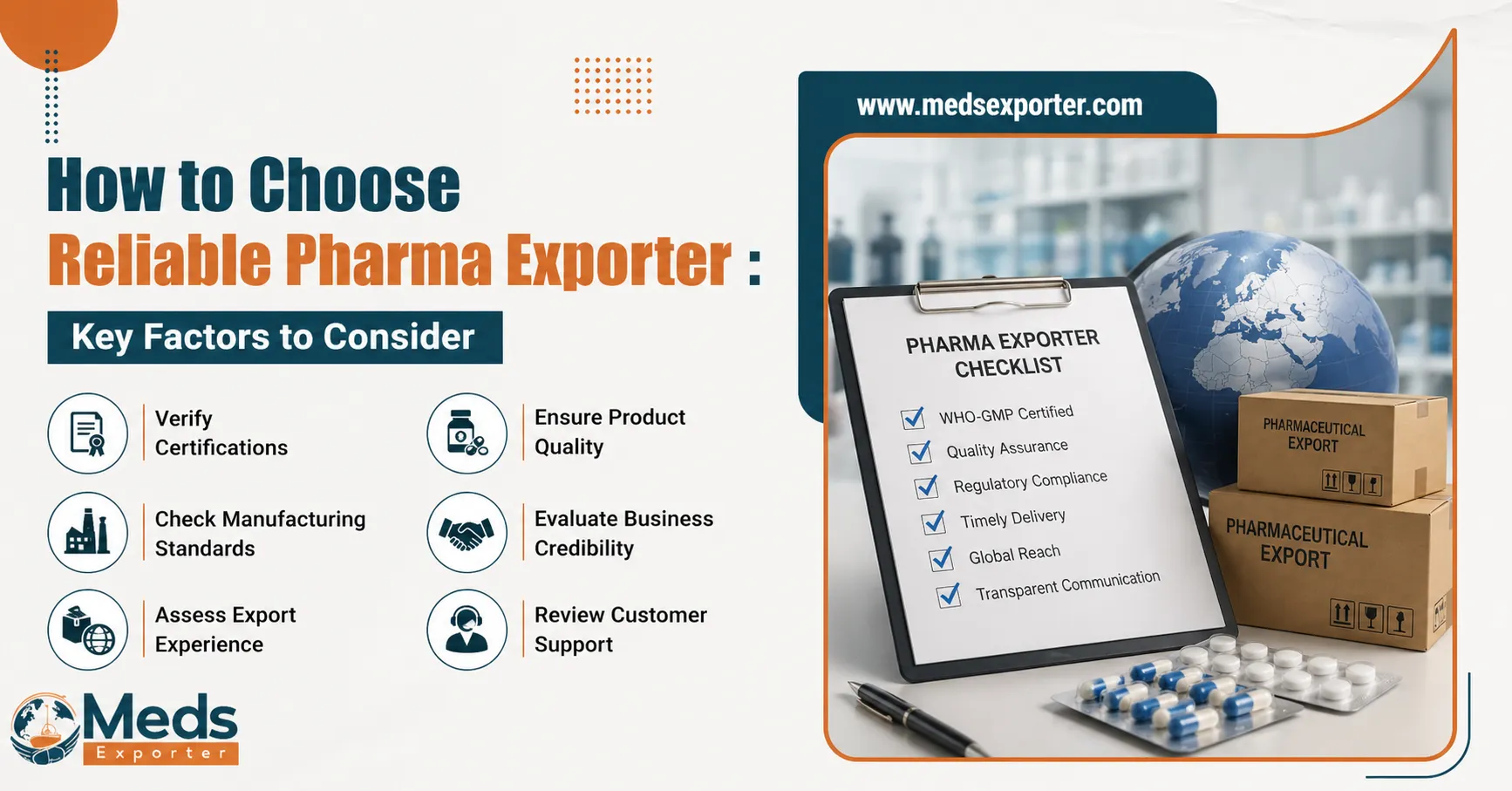
Choosing a trustworthy pharma exporter is crucial for anyone involved in the pharmaceutical industry, especially when it comes to international trade. Whether you’re a supplier, buyer, or distributor, selecting the right pharma exporter can affect your product quality, delivery time, compliance with regulations, and ultimately your business reputation. This pharma exporter guide will help you understand the key factors to consider to ensure a smooth and successful partnership.
Why Choosing a Reliable Pharma Exporter Matters
Pharmaceutical products are sensitive and highly regulated. Poor handling or delays in shipping can lead to expired drugs, safety risks, or financial losses. A reliable pharma exporter not only ensures timely delivery but also guarantees the quality and authenticity of medicines. This makes it essential to perform thorough due diligence and use this pharma exporter guide as a checklist before making a decision.
Key Factors to Consider When Selecting a Pharma Exporter
1. Check Certifications and Compliance
One of the first things to verify is whether the pharma exporter holds the necessary certifications. Certifications such as Good Manufacturing Practices (GMP), ISO standards, and licenses from health authorities confirm compliance with quality and safety regulations. A reliable pharma exporter must adhere to international regulations and local laws to ensure the products are safe for consumption.
2. Experience and Reputation
Experience plays a vital role in pharma export. A pharma exporter guide always emphasizes looking for companies with a proven track record in the industry. Experienced exporters understand the complexities of global shipping, customs procedures, and documentation. You can also check reviews, testimonials, and market reputation to assess reliability.
3. Range of Products Offered
Ensure the exporter deals with the types of pharmaceutical products you require. Whether it’s generic medicines, API (Active Pharmaceutical Ingredients), or specialized drugs, a reliable exporter will have a clear catalog of products along with detailed specifications. This guarantees compatibility with your business needs.
4. Quality Assurance Processes
Quality assurance is non-negotiable in pharma exports. The exporter should have robust quality control measures, including lab testing, batch verification, and storage condition monitoring. This prevents counterfeit or substandard products from entering the supply chain, maintaining your brand’s credibility.
5. Efficient Logistics and Delivery
Timely delivery is essential for sensitive pharmaceutical goods with expiry dates. Check if the exporter has a reliable logistics network and partnerships with trusted shipping companies. The availability of temperature-controlled transportation and proper packaging solutions is also critical for maintaining drug efficacy.
6. Transparent Pricing and Payment Terms
Transparency in pricing avoids surprises and builds trust. A good pharma exporter will provide clear, detailed quotes, including shipping, taxes, and any extra charges. Also, discuss payment terms, refund policies, and dispute resolution to protect your investment.
7. Customer Support and Communication
Effective communication can save you from many issues during the export process. Make sure the pharma exporter offers responsive customer service, including after-sales support. Regular updates on order status and clear channels of communication are signs of a professional exporter.
Steps to Verify a Pharma Exporter’s Credibility
- Request copies of certifications and license proofs.
- Contact previous clients for references.
- Verify the company’s registration and physical address.
- Check if they comply with international pharmaceutical standards and local laws.
- Review their presence on industry platforms and trade associations.
- Sample products before making bulk purchases.
Common Challenges and How to Avoid Them
Working with pharma exporters may present challenges such as delayed shipments, poor product quality, or legal issues. Following the pharma exporter guide’s advice on vetting suppliers thoroughly helps reduce risks. Additionally, signing a clear contract detailing responsibilities and liabilities can protect your business.
Conclusion
Choosing a reliable pharma exporter requires careful consideration of multiple factors such as certifications, experience, product quality, logistics, and pricing transparency. Using this pharma exporter guide helps businesses build strong, trustworthy partnerships that support global healthcare needs with safe and effective pharmaceutical products. Always prioritize thorough research and verification to avoid risks and ensure consistent supply chain success.
Also Read:- WHO Guidelines for Drug Export
FAQs: Pharma Exporter Guide
What documents should a pharma exporter provide?
A reliable pharma exporter should provide product certificates, quality assurance reports, export licenses, invoice and packing list, health certificates, and customs clearance documents.
How can I verify the authenticity of pharmaceutical exports?
Check certifications such as GMP and ISO, request lab testing reports, verify batch numbers with manufacturers, and use verification apps or portals provided by regulatory authorities.
What are the common certifications required for pharma exporters?
Common certifications include GMP (Good Manufacturing Practices), WHO certification, ISO 9001 for quality management, and sometimes FDA approval for certain countries.
Can I rely on online reviews to choose a pharma exporter?
While online reviews can provide insight, they should be part of a broader verification process including direct communication, references, and document checking.
How important is logistics in pharma exporting?
Logistics in pharma exporting is critical to maintain product quality through controlled storage and timely delivery, ensuring medicines remain safe and effective.